Education is a solid foundation for a country's development across various industries. Tragically, for African states, education has not been the pillar for transformation. Because of this, the regions have consistently remained at the tail end of the Industrial Revolution.
As the world embraces the future by indoctrinating technologies such as blockchain, big data, virtual reality, and artificial intelligence, these remain alien to the African continent. If we are to catch up with the pacesetters in the various industries, Africa's educational thinking and systems have to undergo a shift in direction and policy.
Much is said about the 'youthfulness' of the continent. According to statistics, youth in Africa constituted 19% of the global youth population in 2015, numbering 226 million. According to the United Nations, this will grow by 42 percent by 2030.
However, there is a worrying trend in education among the youth in Africa.
"15-24-year-olds are literate. Of these 32 countries, 18 are projected to see a more than 40 percent increase in youth between 2015 and 2030. In six of these low-literacy countries, all in sub-Saharan Africa, the growth of the youth population in this period is projected to exceed 60 percent." (United Nations, 2015).
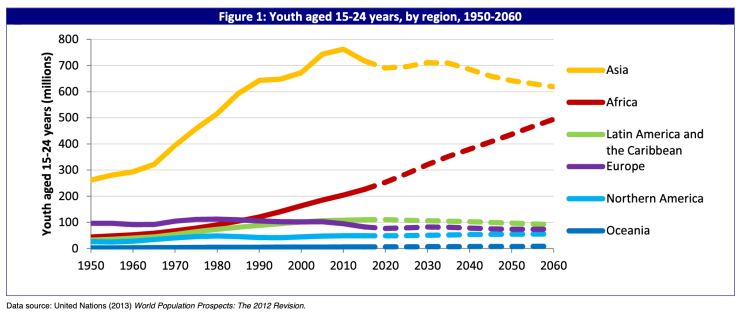
This is a ticking time bomb on two fronts. First, you have a bulge in the population of people who cannot be employed due to a lack of adequate education. On the other hand, you have old education systems failing at the feet of new technologies and innovation.
Africa should hold the two problems with a grip and solve them instantaneously for the continent's survival.
Fixing the Problem in the Educational Gap
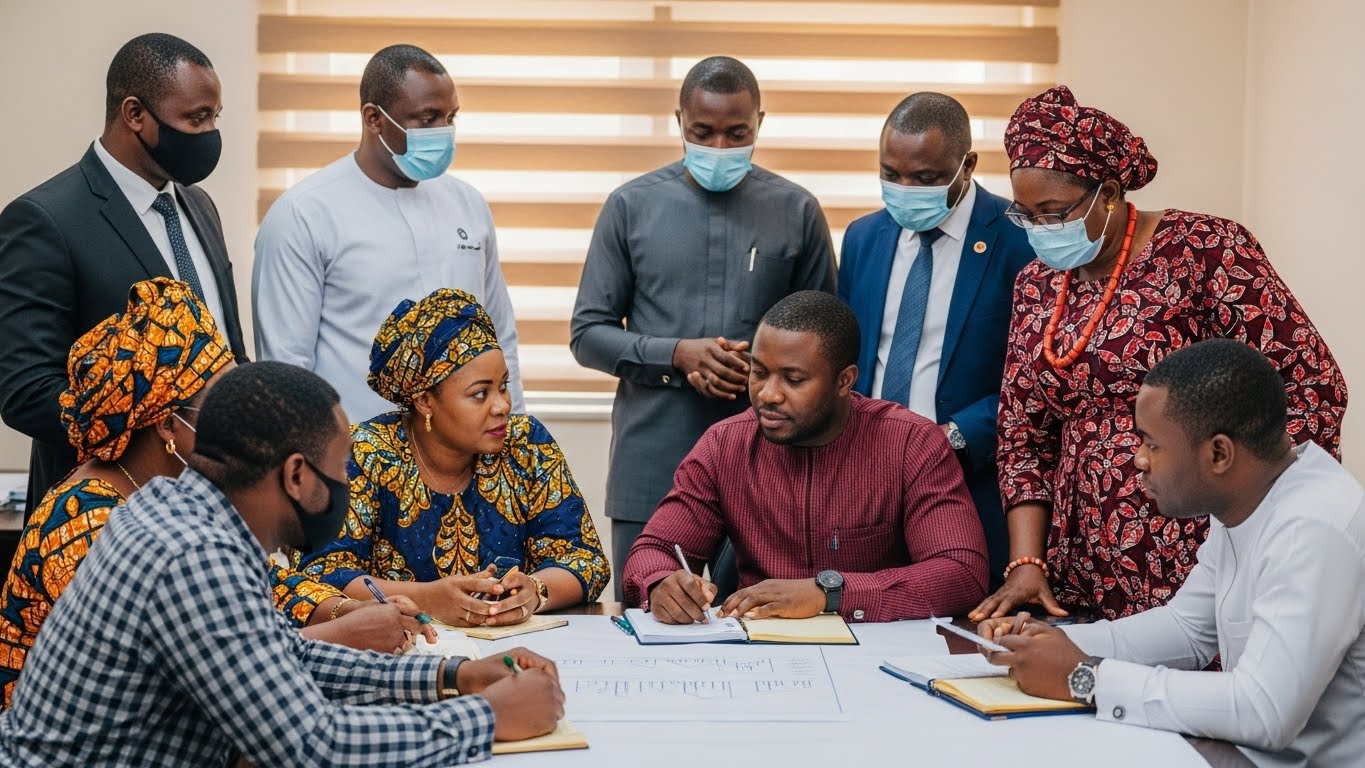
Education at all levels should respond to what is happening worldwide. For example, individuals build industries and big enterprises, but the current education system does not teach the skills needed to set up these industries.
Nneka Okekearu, the head of the Enterprise Development Center at Pan-Atlantic University, runs programs where they unlock and transform the mindset of youth through business, leadership, and management education.
"They fill a much-needed gap in a system where the curriculum often is preparing students for careers that don't exist when they graduate," she intimated during the conference. Claire (2021).
As part of the university's first undergraduate program, students must take one year of entrepreneurship and receive mentorship and training as they start, run, and liquidate a business within that time frame.
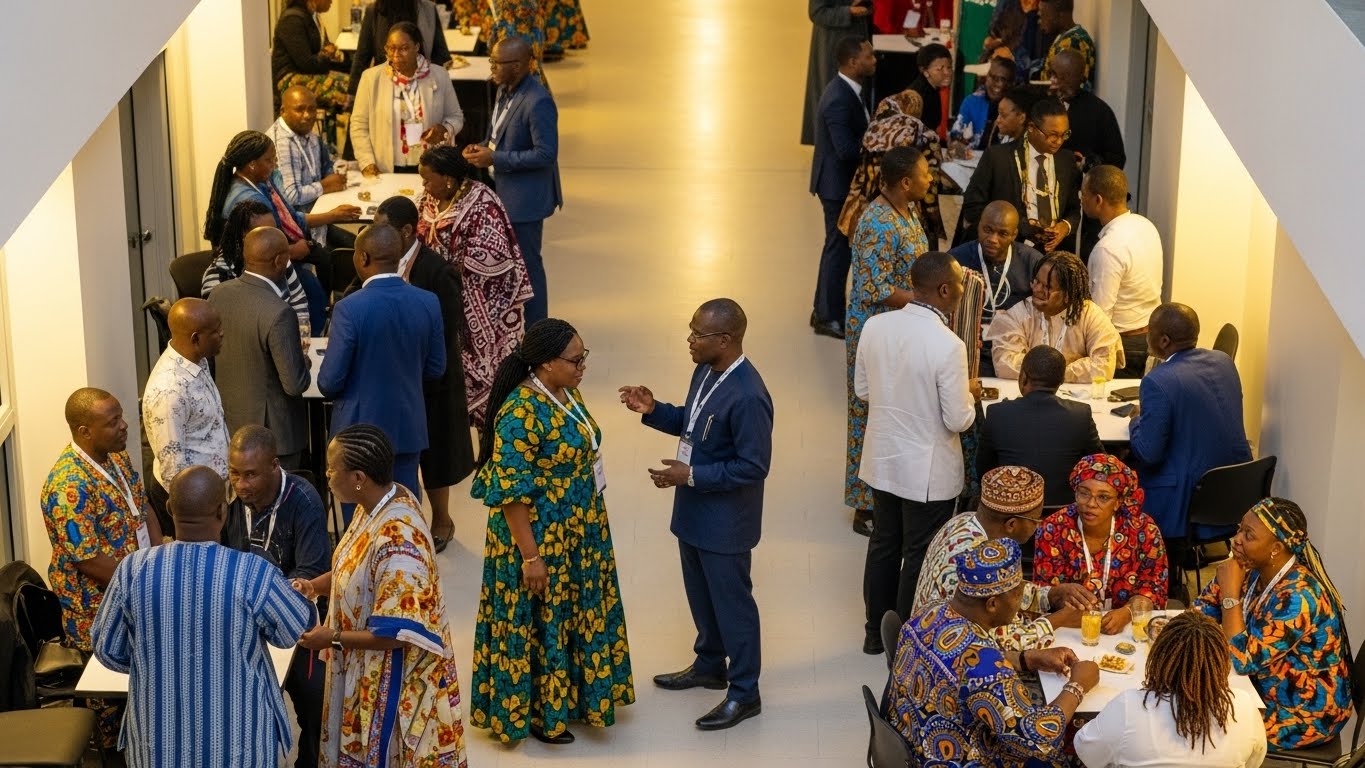
Notably, the university sees students improve their grades by learning life skills and applying the theory from other courses. The university believes that the students can use their education to solve problems on the continent. A more structured internship process that fits the African context is also needed.
Upgrading education systems is needed to turn around the continent. The world is digitizing, but there seems to be a lack of a competent workforce to create and manage digital systems in all industries.
Supplementary education through the internet also offers a way to bridge this gap and grow the next generation of workers. For example, according to an article published by Kiruti in 2029, the code repository GitHub Africa has the fastest-growing number of developers.
The report said that African developers had created 40% more open-source repositories than last year, a higher percentage growth than any other continent.
According to an article featured on Quartz, the plan to set up a development center by Microsoft in Nairobi and Lagos must be a warning bell to indigenous companies, as the software giant has seen the potential in Africa to educate the youth to get jobs in the fourth industrial revolution. It aims to train its students in artificial intelligence, machine learning, and mixed reality innovation.
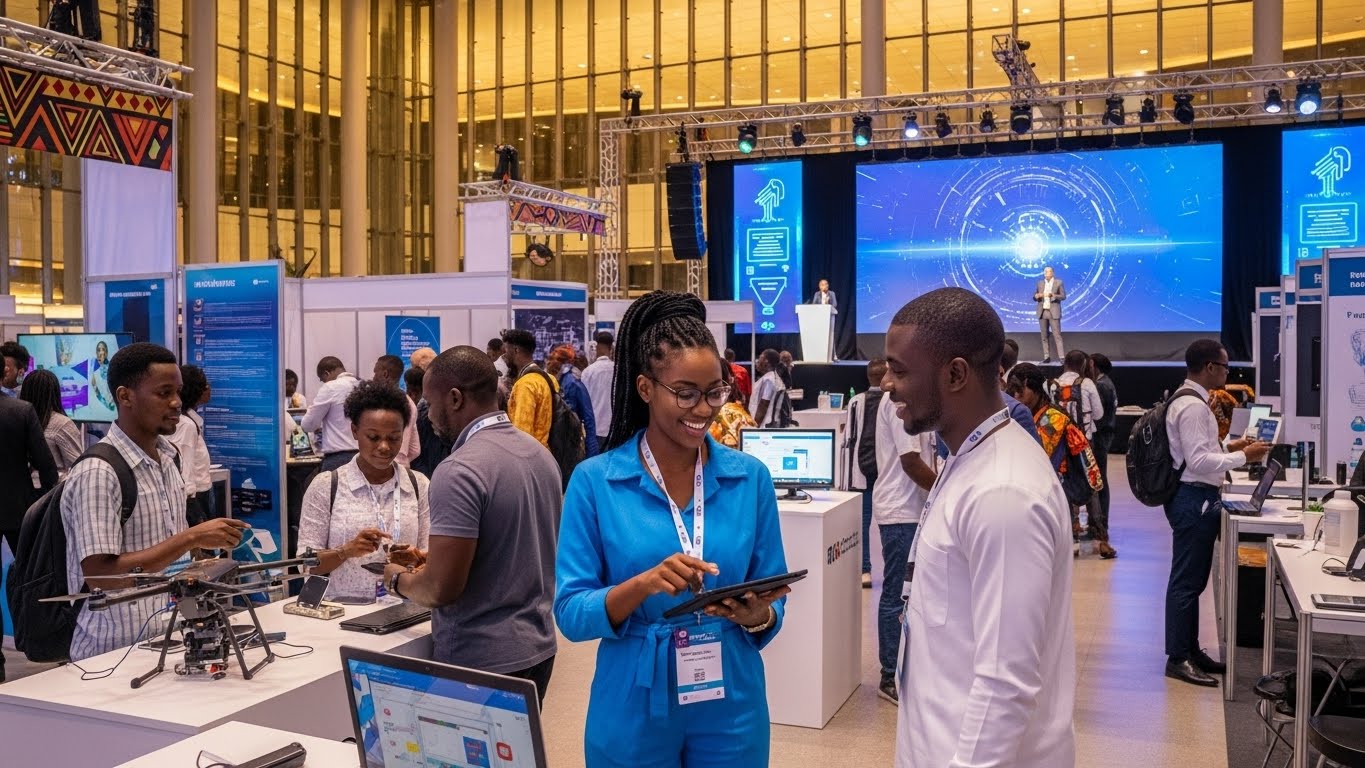
As the saying goes, every company will be a technology company in the future. The workforce needed cannot afford to underestimate the fourth industrial revolution. All efforts to upgrade our workforce to the work of the future are welcome.
The role of research and development in education
Providing a formidable and innovation-focused workforce is not the only way to launch Africa's growth in the fourth industrial revolution. This knowledge can be harnessed to develop future homegrown technologies. Universities and corporations' research and development units are a major key to prosperity.
Research and development are at the core of innovation for countries that have witnessed economic revolutions. Unfortunately, there is little investment in R&D in Africa.
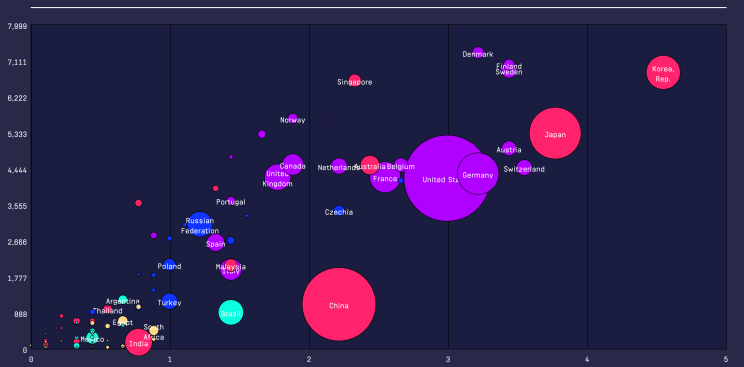
South Africa is the leading country in Sub-Saharan Africa in investing in R&D at USD 5.5 billion and allocating USD 1.5 billion to university research. Kenya is at the head of R&D in Sub-Saharan Africa, with USD 788,221 invested in R&D. This is paltry compared to developed nations. HSRC (2025)
According to NCSES, global leaders in research and development are light-years away from Africa. The US has USD 476 billion in research, while China will spend USD 370 billion. Both countries spend more than 2 percent of their GDP on research.
Universities are at the forefront of building a solid foundation for research and development, but strengthening education systems should support these reforms.
What happens when we have a robust education system? We build industries. We begin to play on the same platform as the big boys. The fourth industrial revolution is changing how industries operate, how goods are delivered, and how economies thrive.
Africa has no option but to overhaul the education system to align with the new realities of the digital revolution.
It all starts with the governments on the continent. If education systems are changed, and research and development allocate more resources, the region could head for a brighter future. Manufacturing and industrialization might benefit from a workforce that is knowledgeable and versatile.
Only then could we ever compete with the industrial giants and create a unique market by Africans for Africans.
🔗 Want to learn more or get involved? Here are a few ways you can take action today:
- 🌍 Visit our website: www.developafrica.org
- 📬 Get updates: Join our newsletter
- 💬 Reach out to collaborate: Contact us
References
- Human Science Research Council. (2025). Real growth in South African R&D spending modest, HSRC survey finds. Human Science Research Council. https://hsrc.ac.za/press-releases/cestii/real-growth-in-south-african-rd-spending-modest-hsrc-survey-finds/
- Kiruti Itimu (2019). Kenya Has One of the Fastest Growing Software Developer Communities on GitHub. Techweez. https://techweez.com/2019/11/11/kenya-software-developer-communities-github/
- NCSES. (n.d.). Global R&D and International Comparisons. NCSES. https://ncses.nsf.gov/pubs/nsb20257/global-r-d-and-international-comparisons-2
- United Nations Department of Economic and Social Affairs. (2015). Youth population trends and sustainable development. Population Facts. United Nations. https://www.un.org/esa/socdev/documents/youth/fact-sheets/YouthPOP.pdf
- WeForum. (2020). Private or public: What's really driving technological innovation? Trade and Investment. WeForum. https://www.weforum.org/stories/2020/08/democratizing-innovation/
- Yomi Kazeem. (2022). Microsoft is making a $100 million bet on African developers. Tech and Innovation. Quartz. https://qz.com/africa/1618874/microsoft-opens-africa-development-centre-in-kenya-and-nigeria