Empowering Girls & Women
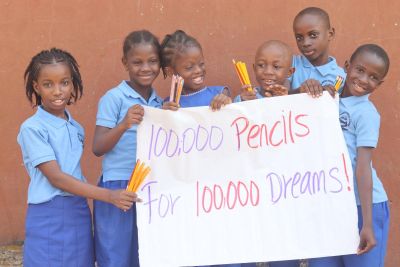
In Sierra Leone, girls' education plays a pivotal role in driving societal progress, fostering economic development, and promoting gender equality. Despite meaningful gains in recent years, significant barriers persist — making it essential to prioritize and protect girls' access to education at every level.
According to UNESCO (2021), sub-Saharan Africa has the highest rates of educational exclusion of any region in the world. Over one-fifth of children between ages 6 and 11 are out of school. One-third of youth between ages 12 and 14 are not enrolled. And nearly 60% of youth between ages 15 and 17 are not in school. The burden falls disproportionately on girls: 9 million girls between ages 6 and 11 will never go to school at all, compared to 6 million boys. By adolescence, the exclusion rate for girls reaches 36% — compared to 32% for boys.
At Develop Africa, girls' education is not a side program. It is one of our highest priorities.
How Are We Empowering Girls and Women?
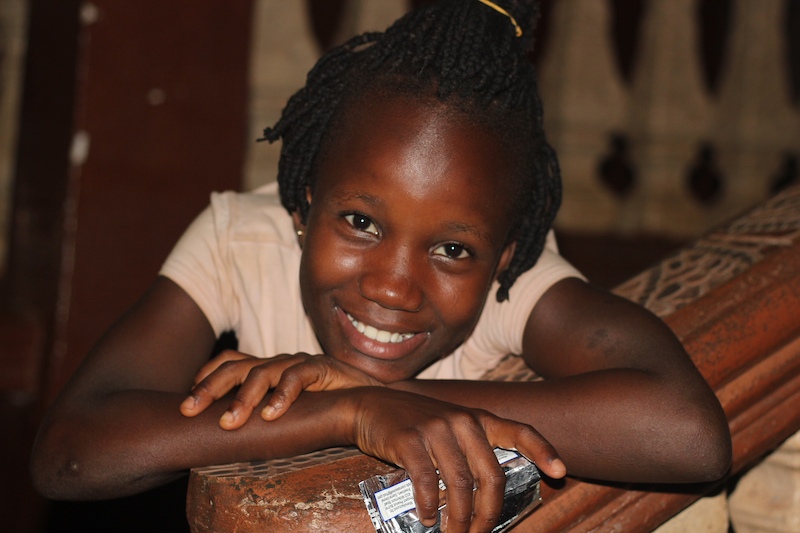 Our efforts are centered on providing girls with the support and resources they need to continue their education and thrive. Financial assistance alleviates the burden of school fees. Mentoring equips girls with essential life skills and the confidence to stay in school. And through vocational and workforce support, we walk alongside young women as they progress toward self-sufficiency and economic independence.
"The empowerment of women is the most effective tool for development." — Kofi Annan
1. Educational Support — Scholarships help cover tuition and school materials, ensuring that financial constraints do not prevent girls from accessing education. We sponsor girls at the primary, secondary, and post-secondary levels — covering fees, uniforms, books, and the sustained encouragement that keeps them enrolled through completion.
2. Higher Education — In Sierra Leone, girls face the compounded challenge of limited access to student loans and few available scholarships. In most cases, first-year university students are required to pay the full year's tuition at the start of term — an impossible requirement for most families. Develop Africa supports current college students, recent WASSCE graduates applying to colleges, and students approaching college eligibility, ensuring the path from secondary school to higher education stays open.
3. Mentoring — Girls' mentoring sessions were launched in 2021 to equip girls and young women with essential life skills and knowledge. Sessions to date have covered a wide range of topics including:
- Adolescent reproduction and relationships
- Personal hygiene and self-care
- Entrepreneurship and financial literacy
- Peer pressure and drug abuse prevention
- Leadership and public speaking
- Mental health and self-esteem
- Goal setting and time management
- STEM and Lego project-based learning
- Make-up artistry and beadwork
- Public relations and marketing strategies
- Debate and quiz competitions
The impact of these sessions has been significant. By addressing the issues that most affect girls' education in Sierra Leone and strengthening their confidence and mindset, the program has motivated beneficiaries to prioritize education before marriage — contributing to lower illiteracy rates among women and girls in the communities we serve.
4. Workforce Empowerment — Develop Africa sponsors girls and young women who are admitted into vocational and technical training programs — including cosmetology, tailoring, Gara and tie-dye, soap making, baking, and business development. We also provide computer training at our DASL and FAWE computer labs. We do not run these vocational programs ourselves — instead, we cover training fees, provide startup kits and tools, and support young women as they complete their programs and launch their livelihoods.
5. Health and Well-Being — Providing food support to families facing food insecurity and malaria prevention through insecticide-treated bed nets. A girl who is sick or hungry cannot learn. These health interventions are a direct investment in keeping girls in school.
Long-Term Impact
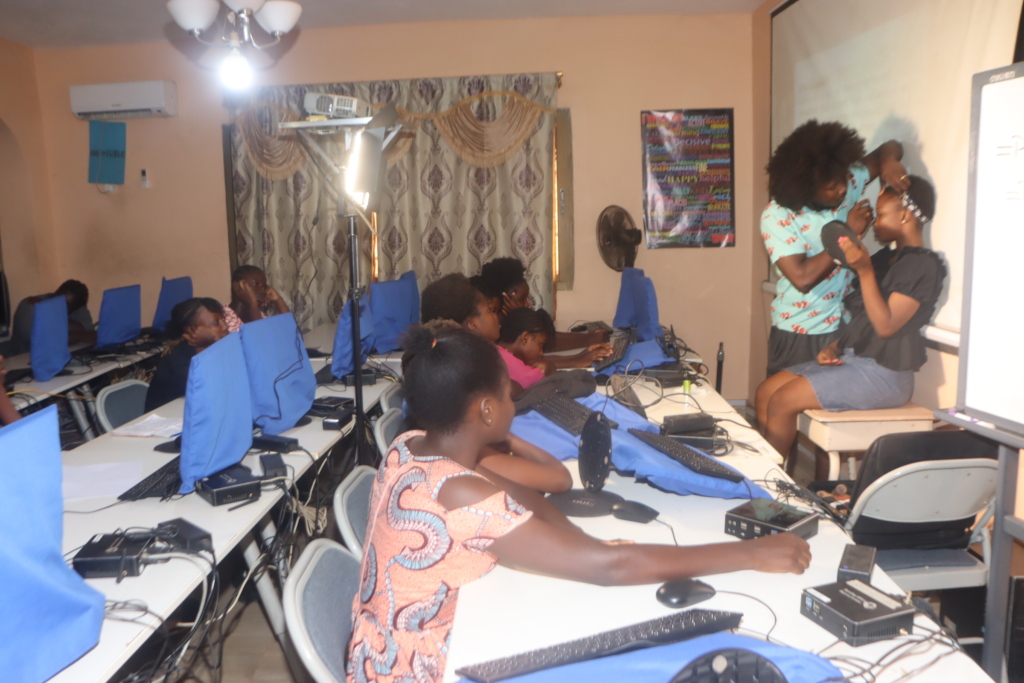 The long-term impact of investing in girls' education is profound. When a girl stays in school, she is less likely to marry young, more likely to earn an income, and more likely to invest that income back into her children and community. She becomes not just a beneficiary — but a force multiplier for development.
As Kofi Annan stated, "To educate girls is to reduce poverty." Educated women are key pillars of society, driving positive outcomes in health, economic prosperity, and the quality of life for the next generation.
UNICEF captures this well: girls who receive an education are less likely to marry young and more likely to lead healthy, productive lives. They earn higher incomes, participate in decisions that affect them, and build better futures for themselves and their families. Girls' education strengthens economies, reduces inequality, and contributes to more stable, resilient societies.
At Develop Africa, every scholarship we award to a girl, every mentoring session we hold, and every vocational program we sponsor is an investment in this longer arc — a Sierra Leone where every girl has the opportunity to fulfill her potential.

-
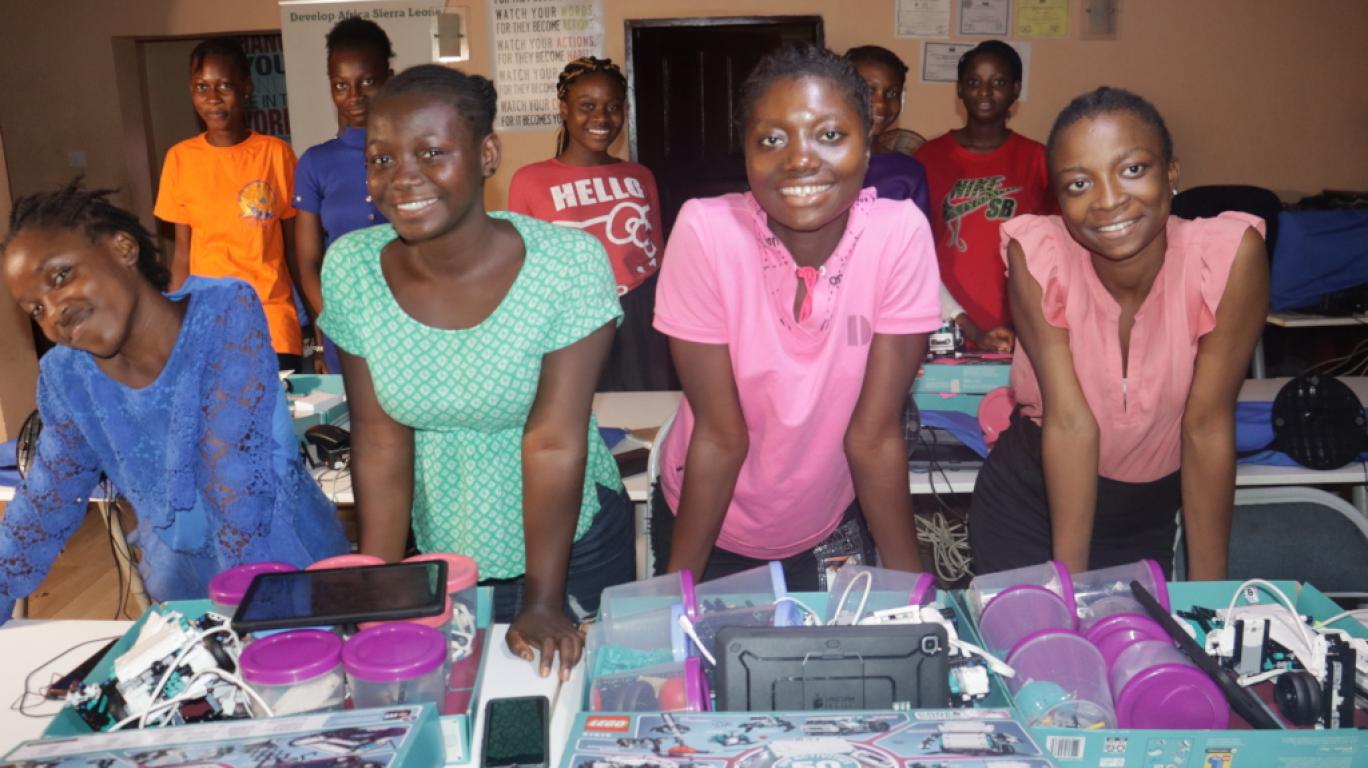 Girls at a STEM Mentoring Session
 -
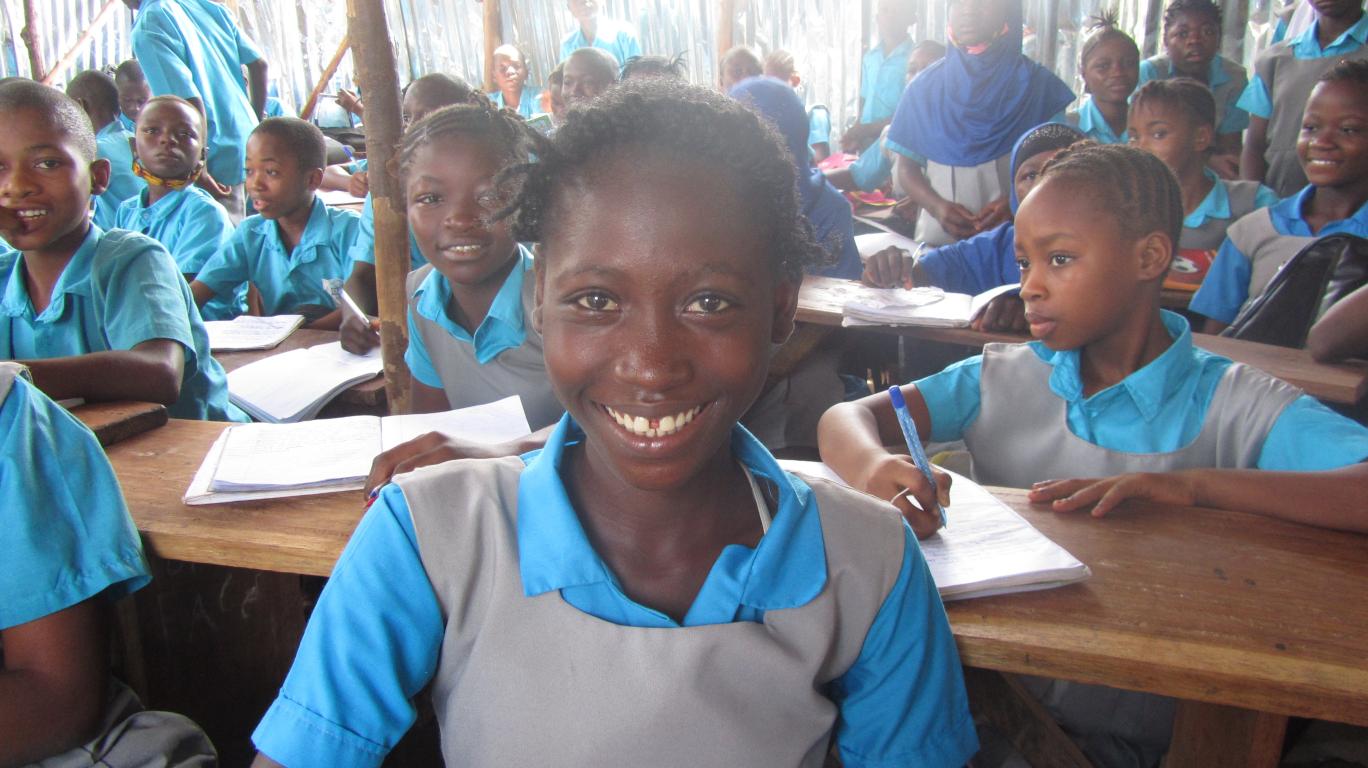 Girl in School
 -
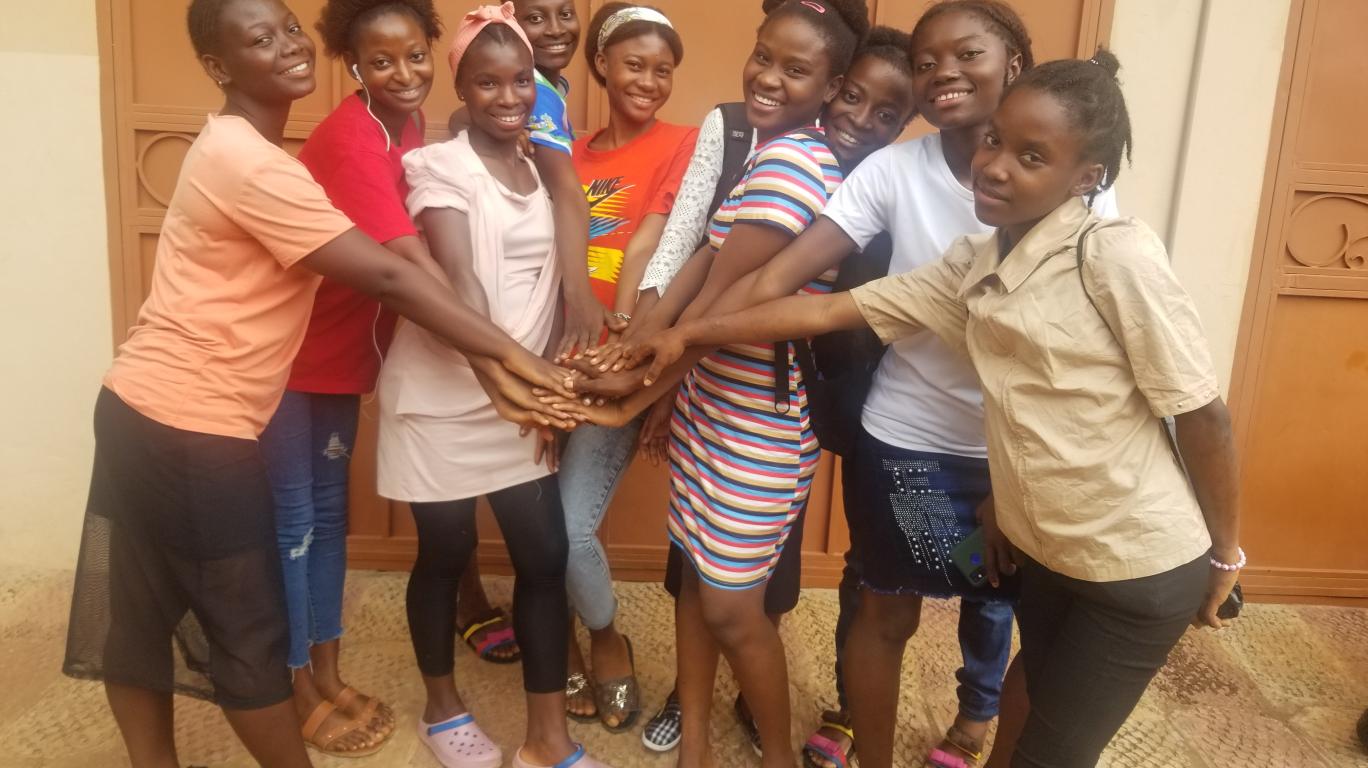 Empowering Girls
 -
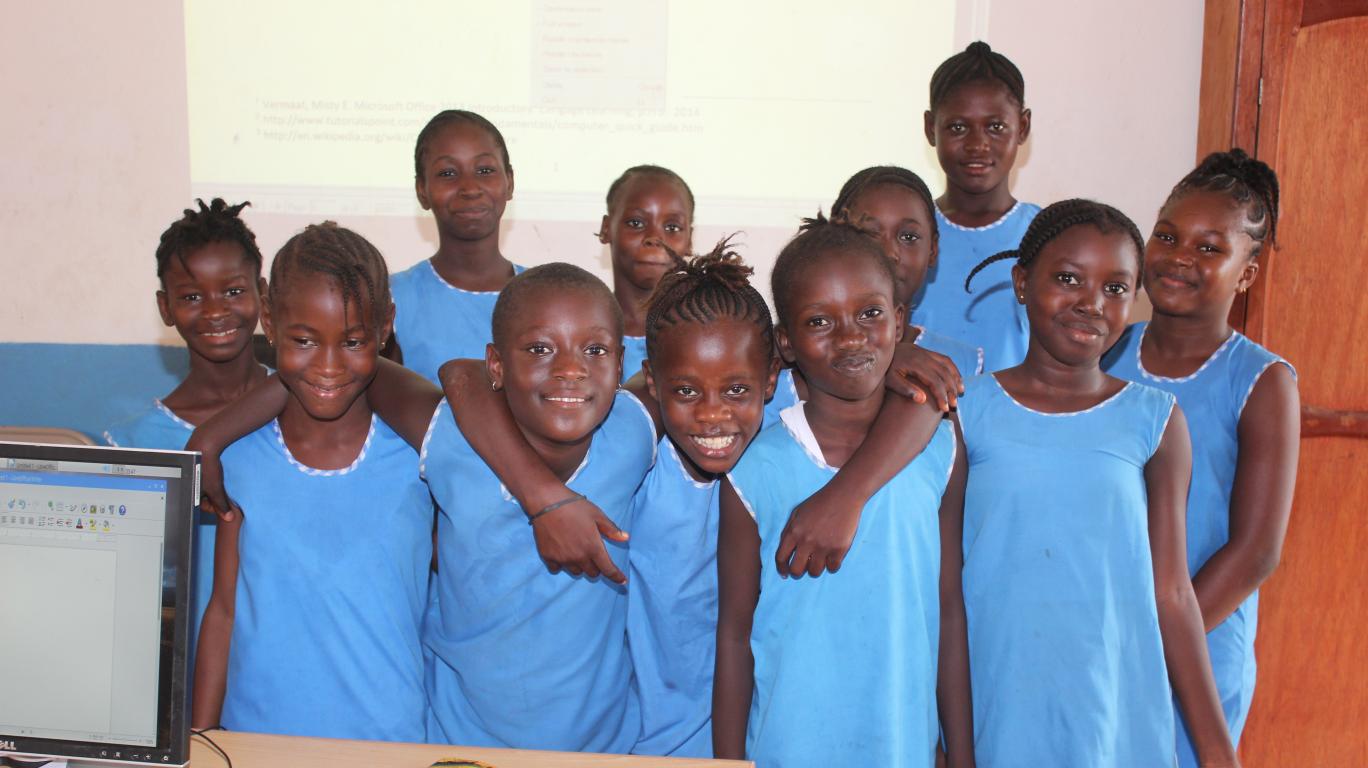 FAWE Girls
 -
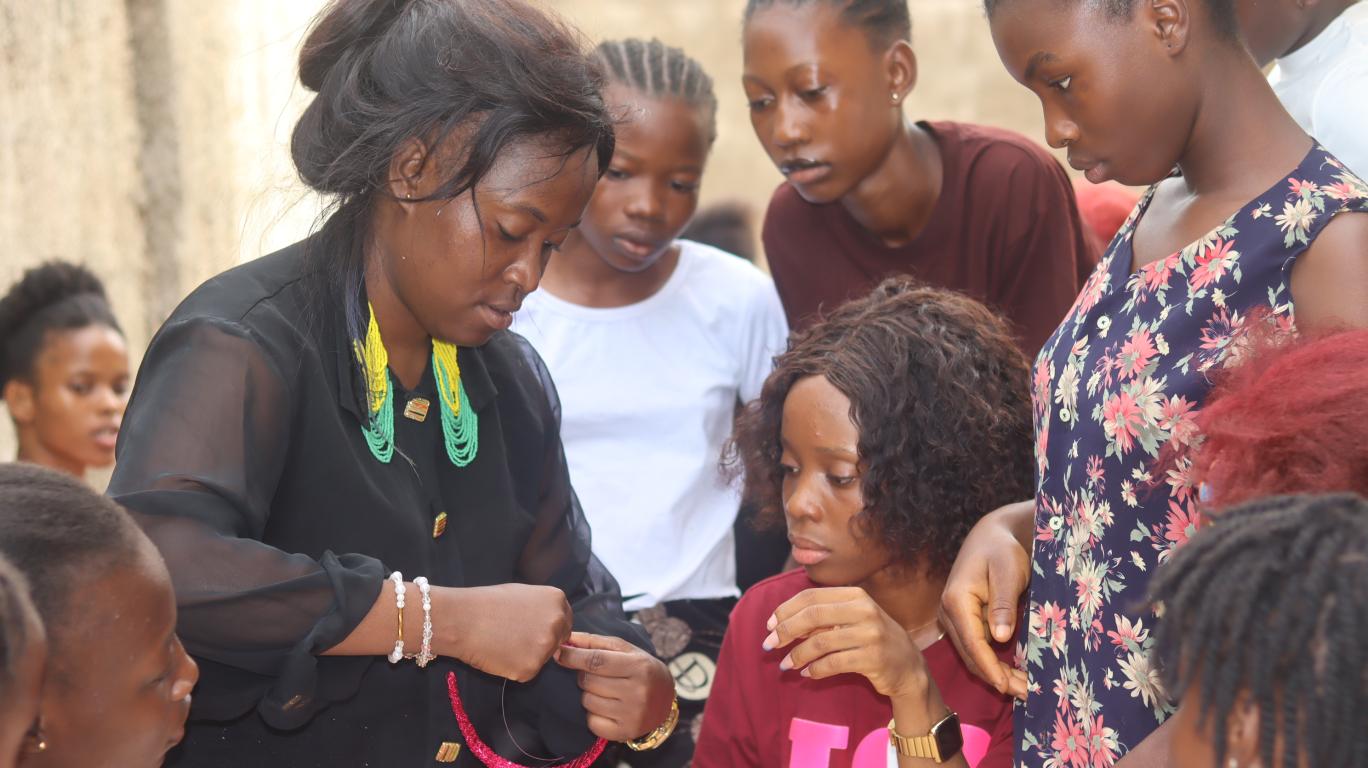 Girls Mentoring Session
 -
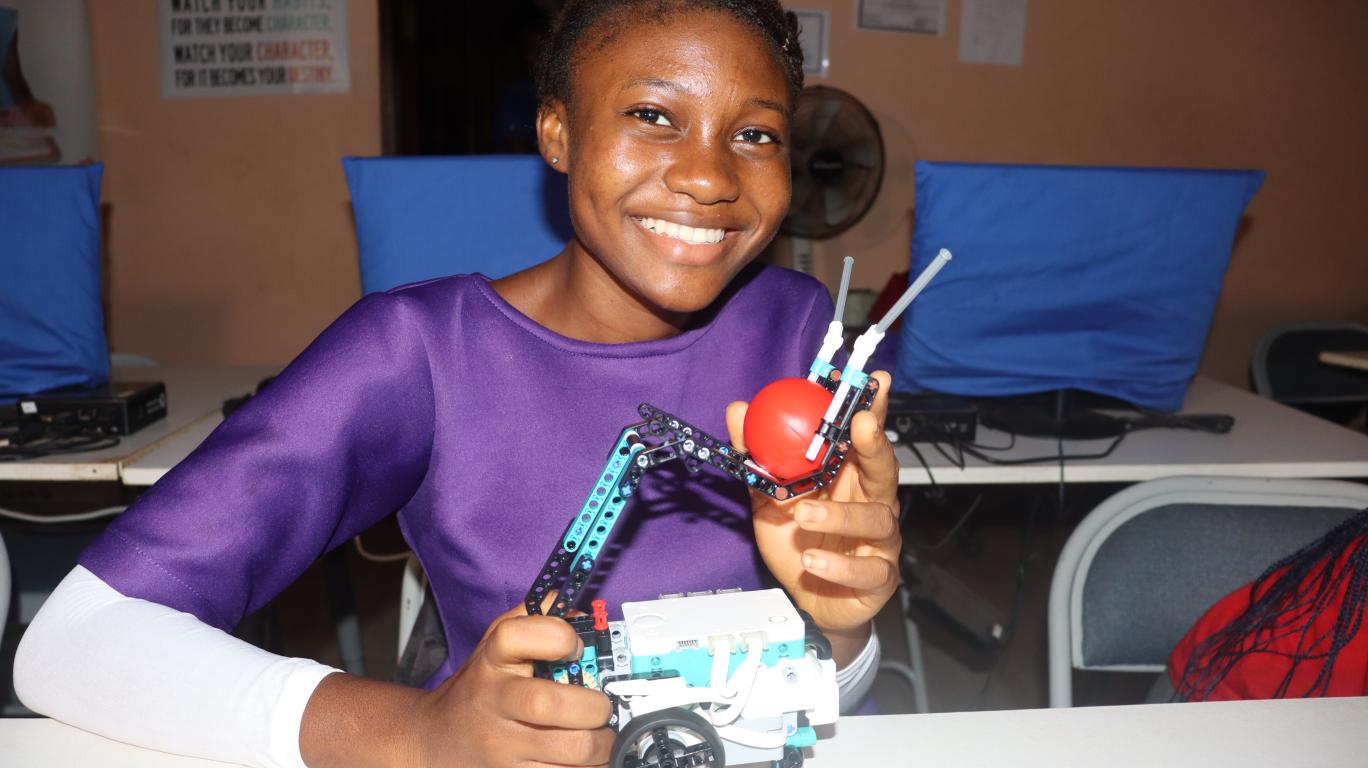 Girl with Robot Created Lego STEM Session
 -
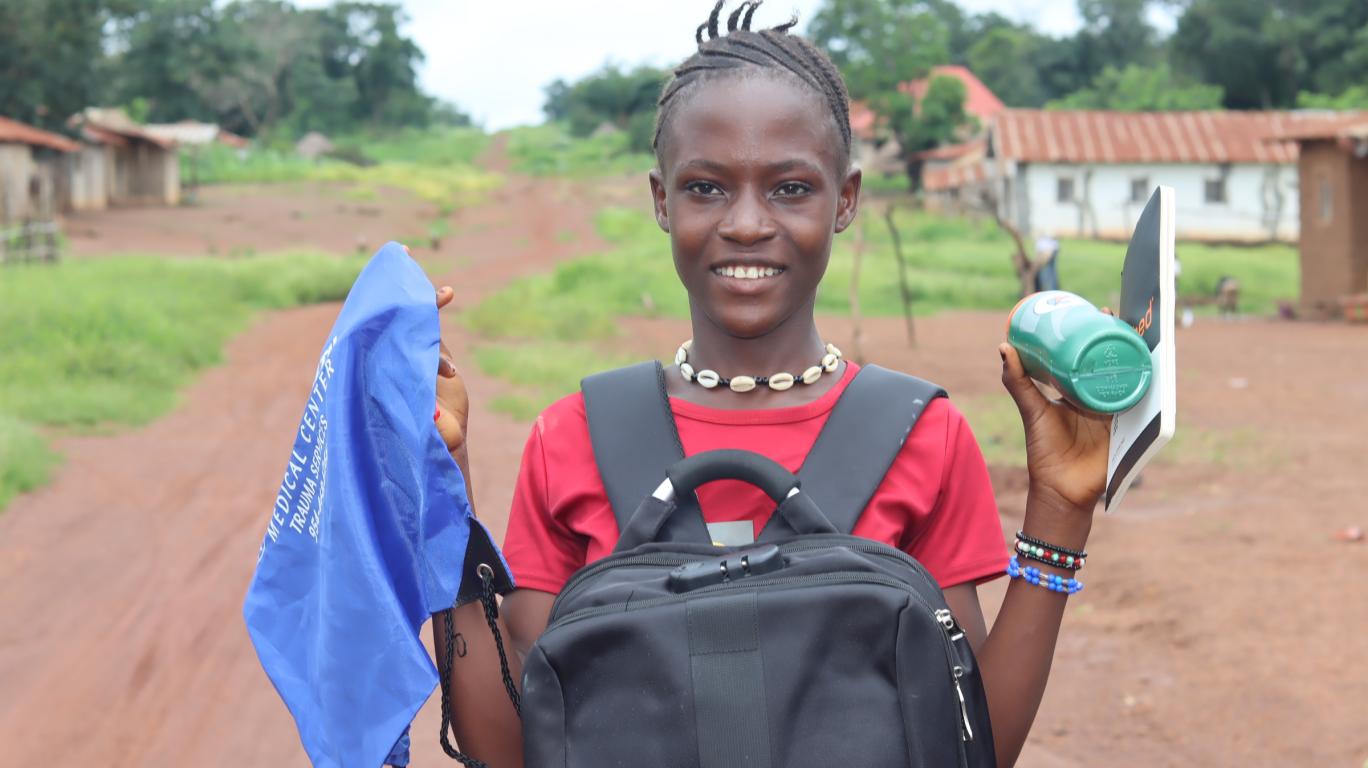 Girl with School Supplies