Beyond the Textbook: Bringing Practical Science to Students in Sierra Leone
Science is not only something students should read about. It is something they should have the opportunity to experience.
For students, there is an important difference between learning about an experiment on paper and being able to conduct it themselves—handling the equipment, observing what happens, asking questions, and connecting what they have learned in the classroom with what they can see in front of them.
For several schools in Sierra Leone, limited access to laboratory equipment meant that much of science education had to remain theoretical.
As one science teacher explained:
“All the time we have been teaching was on paper… with no practical.”
Through the generous support of Sharon, a retired science teacher and longtime Develop Africa supporter, Develop Africa was able to help provide science equipment and educational materials to four schools in Sierra Leone.
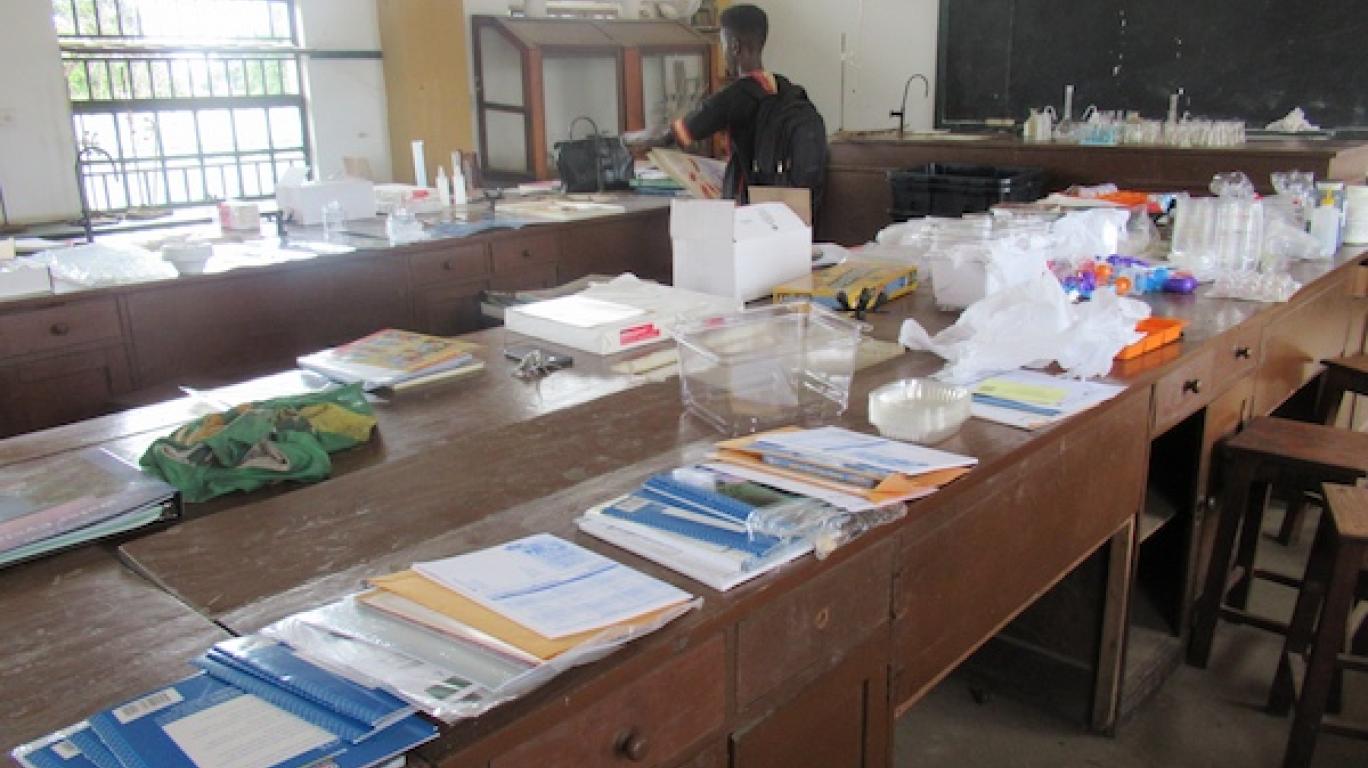
Sharon arranged for 23 large containers of materials to be collected and shipped, including beakers, test tubes, microscopes, science books, laboratory equipment, teaching materials, and other educational supplies.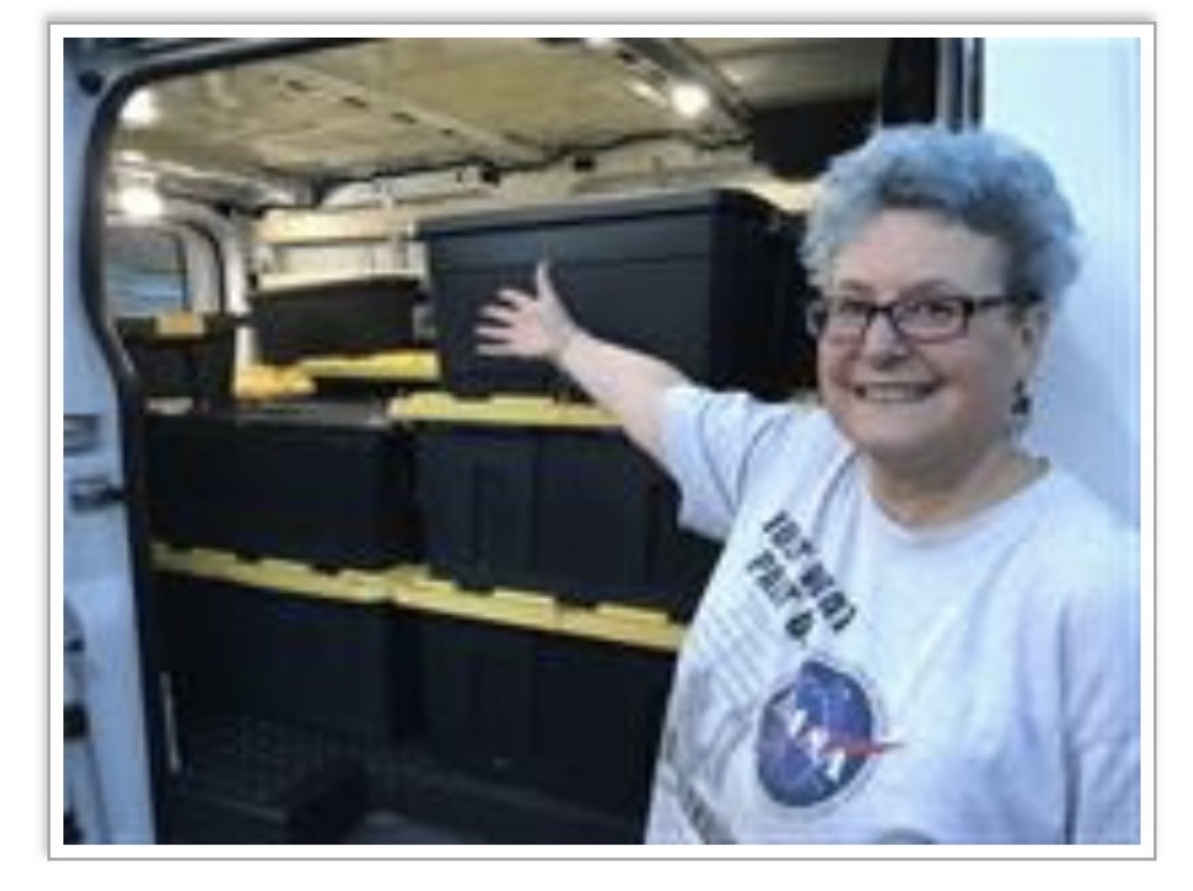
In September and October 2019, the materials were distributed to:
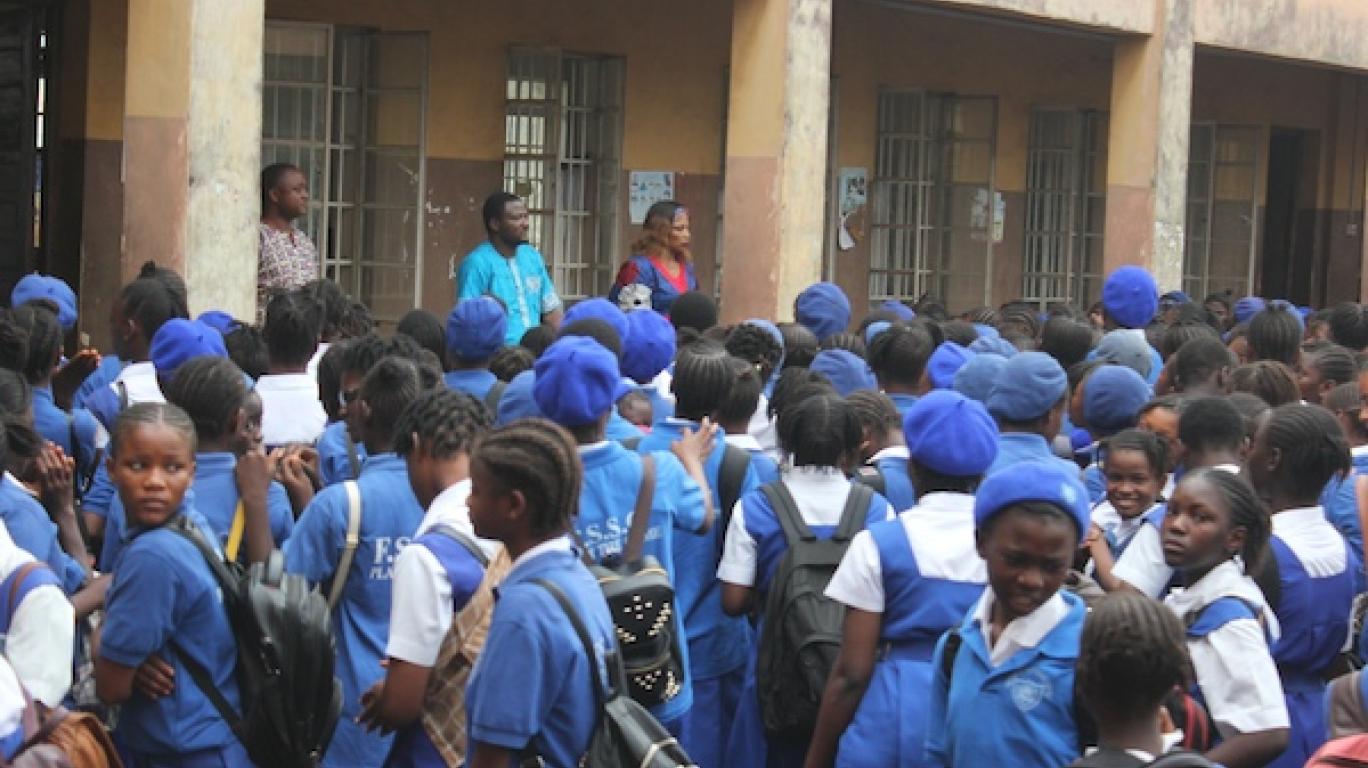
- Freetown Secondary School for Girls
- Prince of Wales School
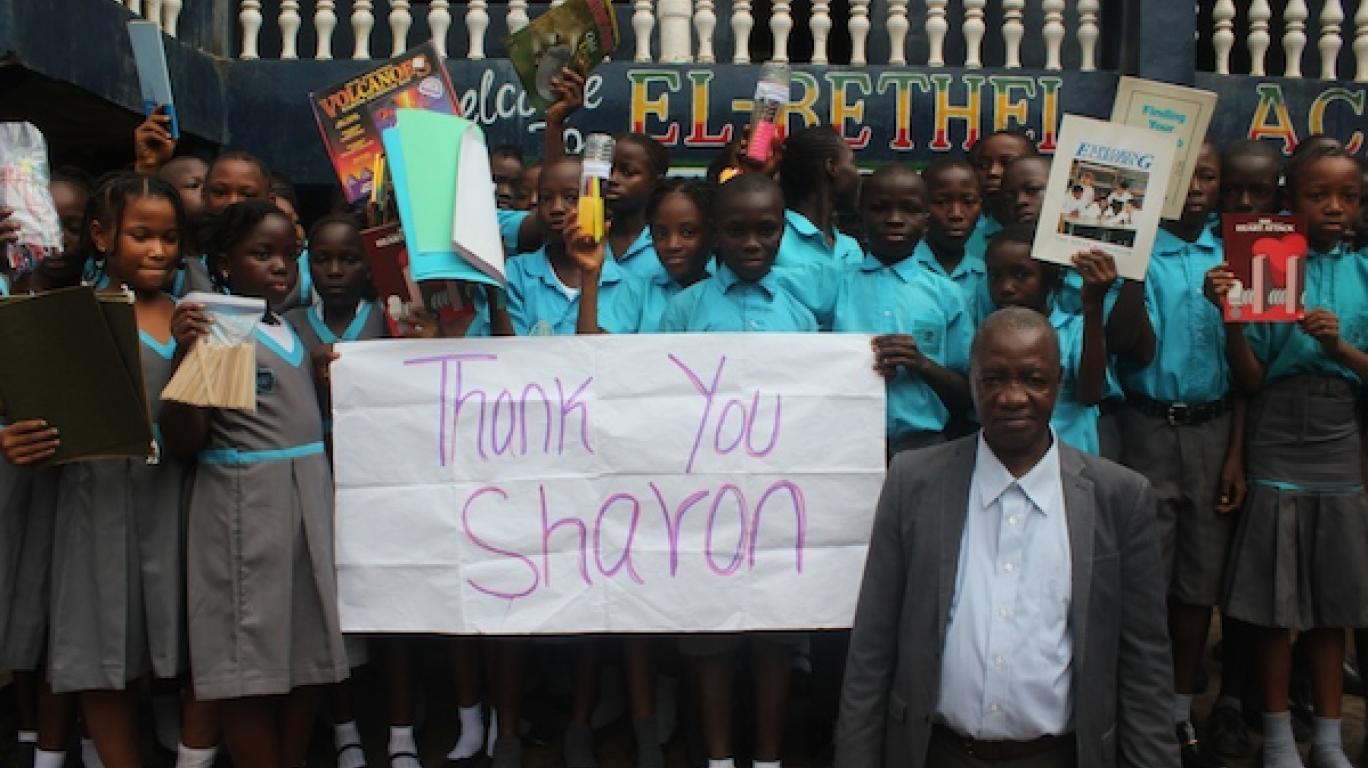
- El-Bethel Primary and Junior Secondary School
- Lady Patricia Kabba Junior Secondary School
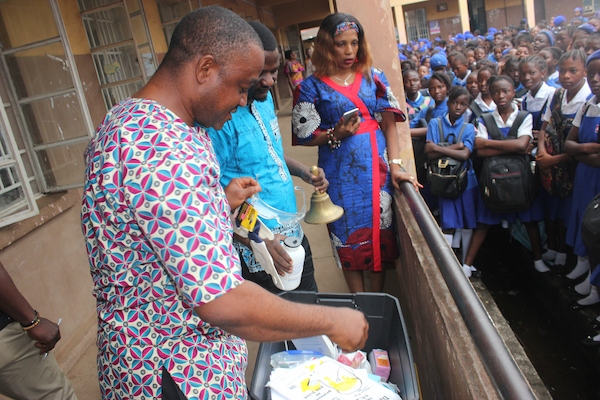
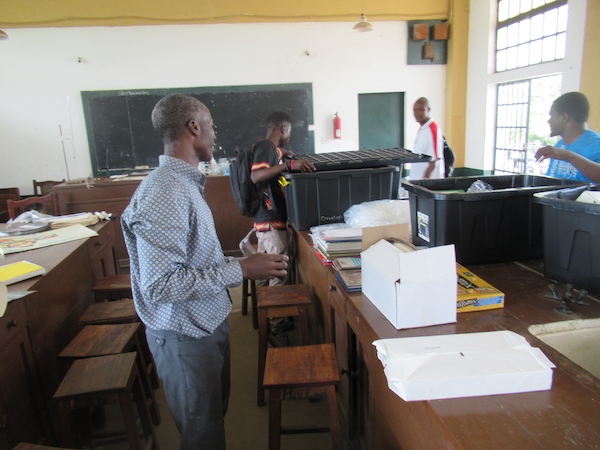
At Prince of Wales School, a teacher walked students through some of the equipment they had received, including test tubes, chemicals, Petri dishes, biological charts, molecular models, goggles, mirrors, and other materials used in chemistry, biology, and physics.
For the students, having access to these materials meant more than receiving additional classroom supplies.
One student explained:
“Science is all about practical. We cannot just be doing theories. We need to do practicals to know exactly how these things work.”
That statement captures why access to practical science matters.
A textbook can explain a molecule, a chemical reaction, or the behavior of light. A teacher can describe how an experiment should work. But when students can handle the materials themselves, make observations, follow procedures, and see the results, the lesson becomes something they have experienced rather than something they have only memorized.
Practical science also gives students opportunities to become comfortable with the habits that science requires—careful observation, curiosity, precision, problem-solving, safe use of equipment, and a willingness to test an idea and learn from the result.
These experiences do not determine what a young person will become. But they can make science more tangible and help students begin to see possibilities that previously existed only in their textbooks.
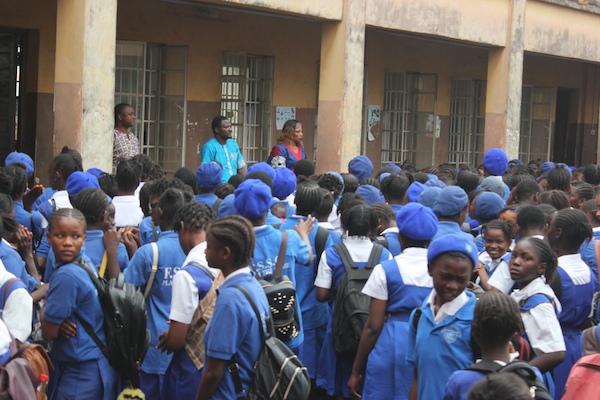
At Freetown Secondary School for Girls, science teacher Francis Alieu explained the difference the equipment could make:
“Now with the presence of these utilities, it will help our kids in practicals, and we hope we could promote science in a girls' school such as this.”
The acting principal, Mrs. Florence Kuyambeh, similarly spoke about the importance of strengthening science learning at the school and expressed her appreciation for the donated equipment.
Seeing the Equipment in Use
At Develop Africa, providing educational materials is only part of the work. It is also important to understand whether those resources are being used and whether they are supporting the learning they were intended to strengthen.
In March 2020, a Develop Africa Sierra Leone team returned to Freetown Secondary School for Girls to see how the equipment had been incorporated into science instruction.
During the visit, students were observed participating in a practical science lesson using equipment that had been provided through the donation.
The follow-up offered a simple but important picture of what access can mean: equipment that had once been packed into containers was now in the hands of students, helping move science lessons beyond theory.
Every Dream Starts Somewhere
During one of the school visits, students were reminded:
“Every dream starts somewhere.”
For some young people, that beginning may be their first opportunity to look through a microscope, safely handle laboratory equipment, build a molecular model, carry out an experiment, or discover that a subject they had only read about is something they can actively explore.
A microscope by itself does not create a scientist. A test tube does not guarantee that a student will become a doctor, engineer, or researcher.
But access matters.
Giving students the opportunity to experience science can help them better understand what they are learning, develop confidence in the subject, and begin to discover what they may be capable of.
We remain deeply grateful to Sharon for making these science and educational materials available and to the teachers and school leaders who are putting them to use.
Because a strong science education should not end with what students can read on a page.
Whenever possible, students should also have the opportunity to test, observe, question, discover, and learn by doing.
Watch the video to see the equipment, hear directly from teachers and students, and see why practical science learning matters.
Link to video: https://youtu.be/5xu9Boml7ls
-
 Distribution of Science kits at the Freetown City for Girls School
 -
 Unpacking of Science kits at the Freetown City for Girls School
 -
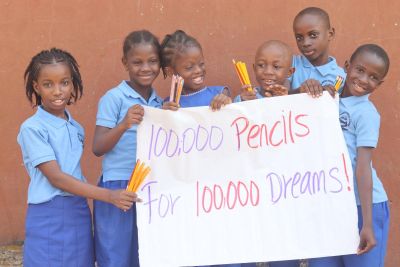
 The students and principal of El-Bethel School are grateful
 -
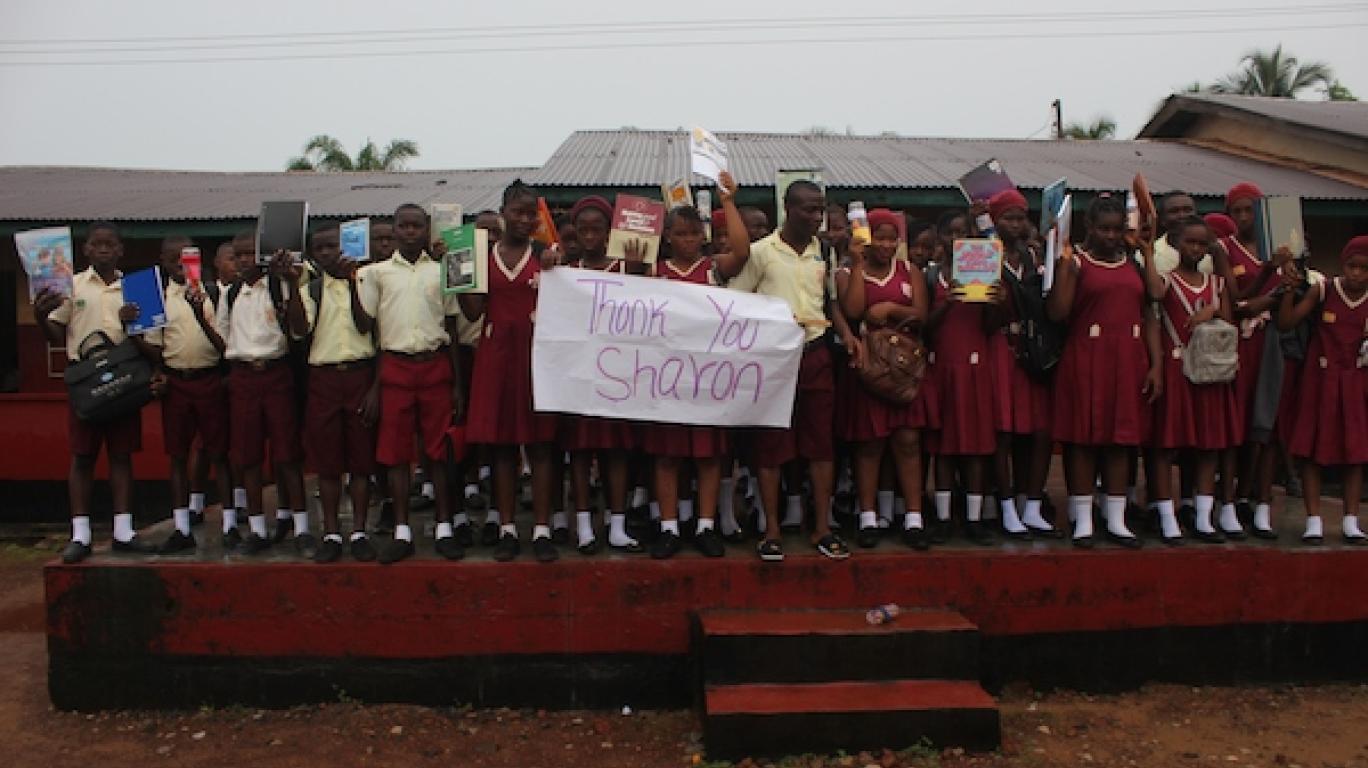 The students of Lady Kabba Memorial School are grateful