
Introduction
Community-led development is important for empowering local communities, enabling them to actively participate in shaping their future. However, numerous barriers often impede the progress of such initiatives. In this article, we explore the challenges faced by community-led development and discuss policy and implementation strategies that can help overcome these barriers, ultimately facilitating sustainable and inclusive development.
14 Barriers That Stall Community-Led Development
- Few Resources: Not enough money, skilled people, or tools. Limits reach and impact.
- Bureaucracy: Slow, top-down systems reduce participation and kill momentum.
- Inequality: Bias based on gender, tribe, or income excludes entire groups from decision-making.
- Skill Gaps: People lack training to lead or sustain development work.
- Poor Coordination: Too many actors. Not enough collaboration.
- Power Plays: Elites dominate. Corruption skews priorities. Marginalized voices get drowned out.
- No Information: People don’t get the data, policies, or tools they need to make informed choices.
- Cultural Barriers: Language gaps and cultural bias hurt cooperation and trust.
- Environmental Disruptions: Floods, drought, or poor sanitation knock progress off track.
- Fear of Change: People may resist if they don’t trust the process or see benefits.
- Legal Bottlenecks: Complex land laws or unclear rights keep communities from owning projects.
- Missing Data: No local data means poor planning. No tracking means no proof of success.
- Infrastructure Gaps: No roads. No power. No internet. Projects stall or fail.
- Short-Term Thinking: Most funding lasts a few months. But real change takes years.
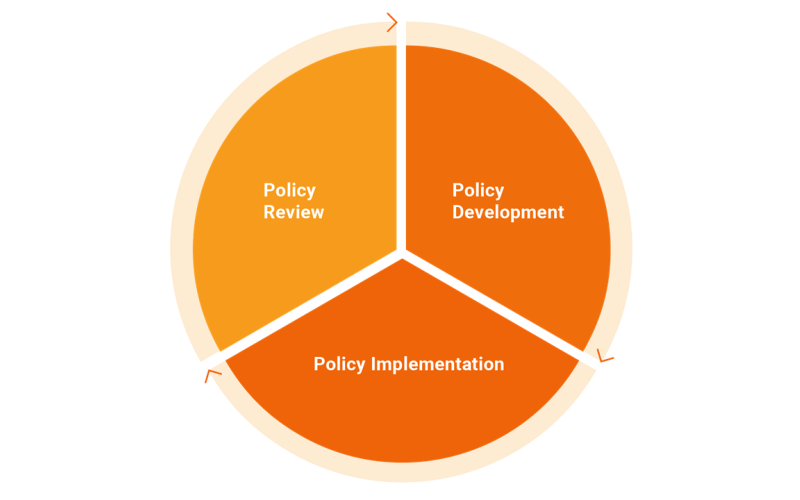
Policy Shifts That Help Communities Thrive
1. Enabling Legal Frameworks.
Governments must develop policies and legal frameworks that recognize and support community-led development. These frameworks should emphasize decentralization, devolution of power, and protection of community rights.
2. Access to Resources.
Governments and development agencies should prioritize resource allocation for community-led initiatives. This includes financial support, technical assistance, and capacity-building programs tailored to the specific needs of local communities.
3. Strengthening Institutions.
Institutional reforms are crucial to enhancing the effectiveness of community-led development. Streamlining bureaucratic processes, promoting transparency, and establishing platforms for community participation can empower local stakeholders.
4 Social Inclusion.

Policies should address social inequalities by promoting gender equality, addressing discrimination, and ensuring the participation of marginalized groups. Inclusive decision-making processes and targeted support can amplify the voices of underrepresented communities.
5. Knowledge and Skills Development.


Governments, NGOs, and community-based organizations should invest in education, training, and awareness programs to enhance the capacity of community members. Empowering individuals with the necessary skills and knowledge fosters self-reliance and sustainability.
6. Multi-stakeholder Collaboration.
Foster partnerships and collaboration among government agencies, NGOs, the private sector, and community organizations. Coordinated efforts and shared responsibilities lead to more impactful community-led development outcomes.
Implementation Strategies for Overcoming Barriers:
1. Participatory Planning.
Engage community members in all stages of the development process, from planning to implementation and evaluation. Encourage their involvement in decision-making, ensuring their needs, priorities, and aspirations are considered.
2. Communication and Awareness.
Promote effective communication channels to facilitate stakeholder information sharing, consultation, and feedback loops. Use diverse media platforms and community outreach initiatives to raise awareness and encourage participation.
3. Capacity-Building Programs.

Provide training and mentorship opportunities to enhance the skills and capabilities of community members. Focus on project management, financial literacy, leadership, and advocacy.
4. Social Capital Development.
Promote the development of social capital within communities by encouraging trust, cooperation, and networking among community members. Facilitate platforms for community dialogue, collective decision-making, and fostering a sense of shared responsibility.
5. Inclusive Governance Structures.
Establish inclusive governance structures that allow community members to participate in decision-making processes. This can include community assemblies, participatory budgeting, and the formation of local committees or councils that represent diverse interests.
6. Knowledge Exchange and Learning Networks.
Encourage the exchange of knowledge and best practices among different communities and stakeholders. Facilitate learning networks, study tours, and knowledge-sharing platforms to promote cross-community collaboration and learning.
7. Advocacy and Policy Influence.
Empower community members to advocate for their needs and interests at local, regional, and national levels. Provide training on advocacy skills, policy analysis, and engagement with decision-makers to amplify the voices of communities in policy discussions.
8. Monitoring and Feedback Mechanisms.
Establish mechanisms for community feedback, grievance redressal, and monitoring of projects. Encourage regular interactions between implementers and community members to assess the effectiveness of initiatives and make necessary adjustments.
9. Integration with Local Development Plans.
Ensure that community-led initiatives are aligned with local development plans and strategies. Integrate community priorities into broader development frameworks to enhance their sustainability and impact.
10. Strengthening Partnerships with Civil Society and Private Sector.
Partner with civil society organizations and the private sector to leverage their expertise, resources, and networks. Collaborative efforts can enhance the scalability and effectiveness of community-led development projects.
11. Long-Term Funding and Resource Mobilization.

Develop strategies for long-term funding and resource mobilization to sustain community-led initiatives. To ensure financial stability, explore diverse funding sources, including public-private partnerships, crowdfunding, impact investments, and grants.
12. Conflict Resolution and Mediation.
Establish mechanisms for conflict resolution and mediation within communities. Provide training and support for community members to address conflicts constructively and promote peaceful dialogue.
13. Mainstreaming Gender Equality.
Integrate gender equality principles and practices throughout community-led development processes. Promote women's empowerment, equal participation, and access to resources, ensuring that gender perspectives are considered at all stages.
14. Leveraging Technology and Innovation.

Harness the power of technology and innovation to support community-led development. Explore digital platforms, mobile applications, and other technological tools to enhance communication, access to information, and project management.
15. Continual Learning and Adaptation.
Encourage a culture of continual learning and adaptation within community-led development initiatives. Foster a spirit of innovation, encourage experimentation, and support adaptive management approaches to address emerging challenges and seize new opportunities.
16. Monitoring and Evaluation.

Establish mechanisms for monitoring and evaluating community-led projects to measure their impact and identify areas for improvement. Involve community members in this process to ensure transparency and accountability.
17. Sustainability and Long-Term Support.
Develop strategies to ensure the long-term sustainability of community-led initiatives. These include building local ownership, fostering income-generating activities, and establishing networks for ongoing support and collaboration.
You Shape the Future
Community-led development only works when people (the community benefiting from it) are in the driver’s seat and when leaders clear the road ahead.
Change takes partnership. Policy shifts. Money. Training. And most of all—trust in the people doing the work.
Question: What’s one unconventional tactic you’ve seen succeed in community-led development? What surprised you about the outcome?
We’re always looking for aligned hearts and hands to join us. If you or your organization is interested in supporting education, mentorship, or community development in Africa, let’s talk. Your next message could lead to someone’s breakthrough.
If this kind of content resonates with you, follow Develop Africa for more stories, lessons, and behind-the-scenes insights from the frontlines of nonprofit leadership. And please — like, share, or comment to help this message reach others who care.
🔗 Want to learn more or get involved? Here are a few ways you can take action today:
🌍 Visit our website: www.developafrica.org
✏️ Support our current campaign – The Year of the Pencil: www.developafrica.org/yearofthepencil