Introduction
According to a report by Irish Aid and UNICEF, in collaboration with the Ministry of Education (UNICEF Report, 2019), more than half of 15-year-olds (57%) in Sierra Leone are illiterate, and half of primary school graduates are unable to read or write. Only 61% of primary school teachers are trained, with an even lower rate in rural areas.
Girls face a higher dropout rate due to poverty, gender norms, early marriage, and household responsibilities. These challenges emphasize the need for sustained educational support.
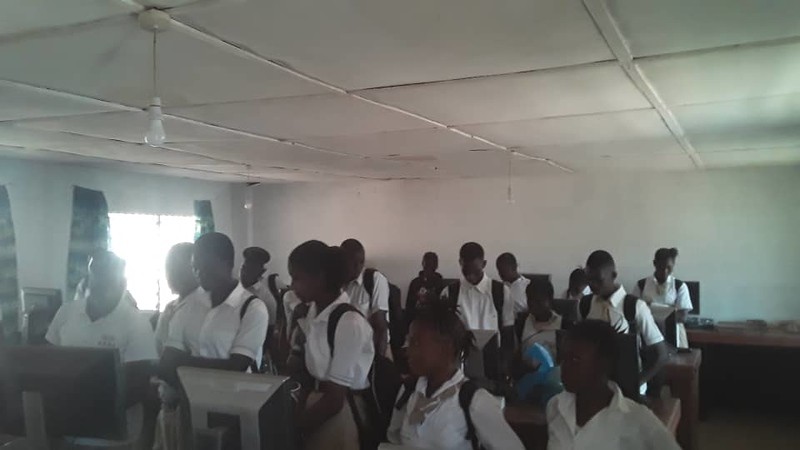
Develop Africa’s Commitment to Education
Develop Africa Sierra Leone is committed to providing educational opportunities for less privileged children through:
- Scholarships
- Learning materials
- Financial support
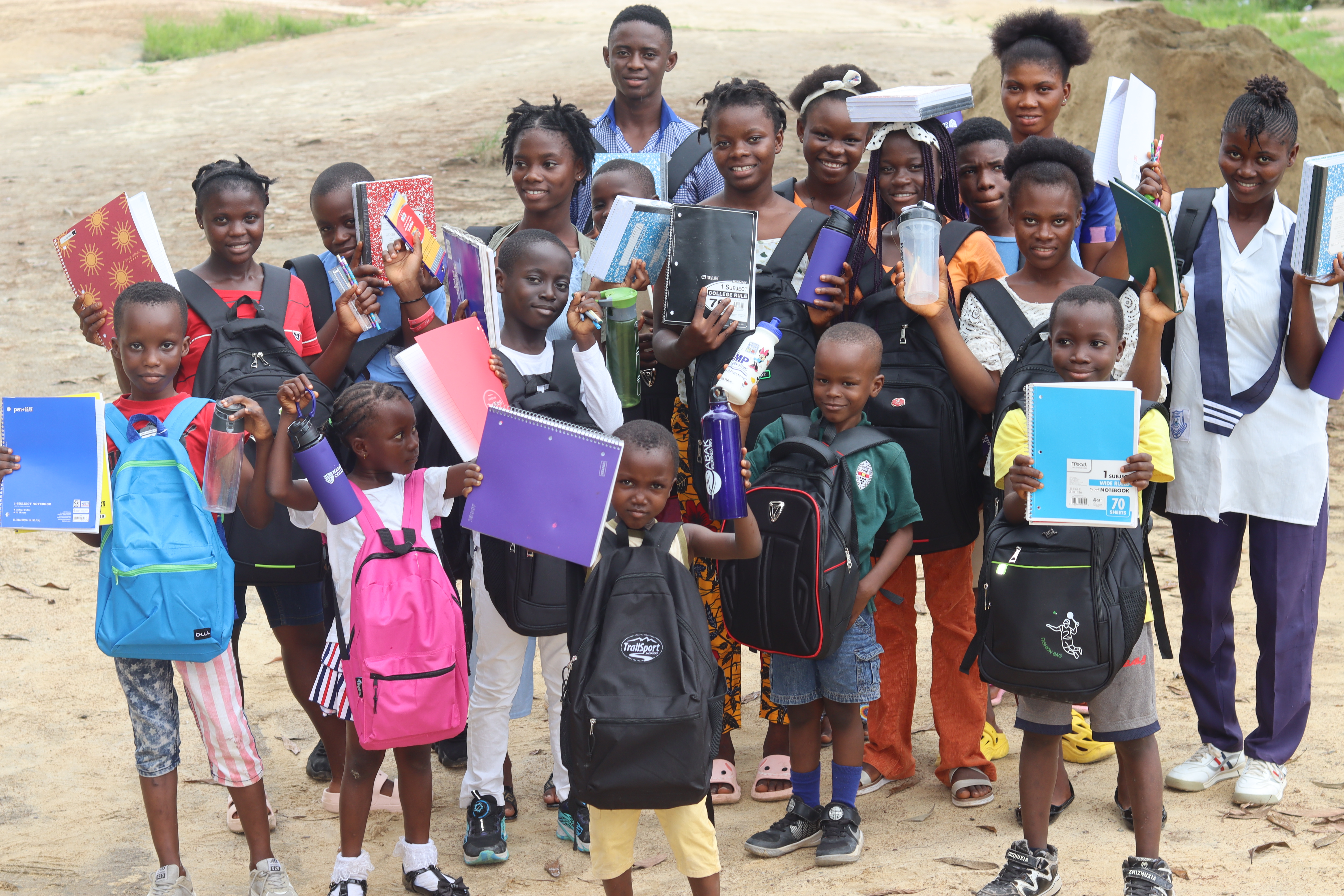
These initiatives have benefited over 500 beneficiaries in Freetown, Bo, Makeni, and Kamawornie. Our long-term sponsorship program has impacted students for over a decade, helping them make academic progress and personal growth.
Focus Areas: Mathematics and English Language
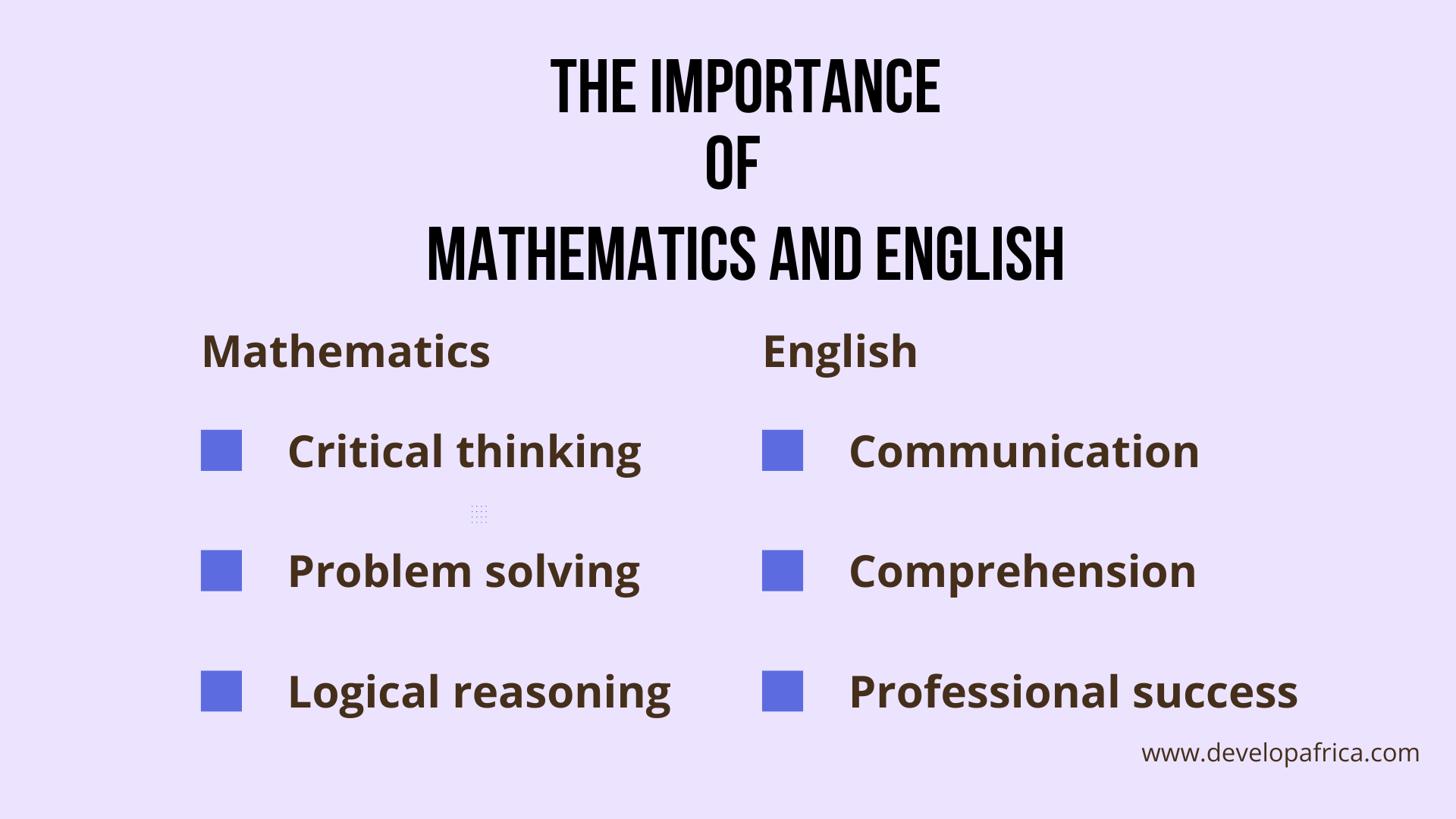
Mathematics and English are core subjects in Sierra Leone’s education system. Proficiency in these subjects determines university acceptance and future career opportunities.
Mathematics: Enhances critical thinking, problem-solving, and logical reasoning, forming the foundation for science, technology, and engineering.
English Language: Essential for communication, comprehension, and professional success.
Academic Performance Analysis
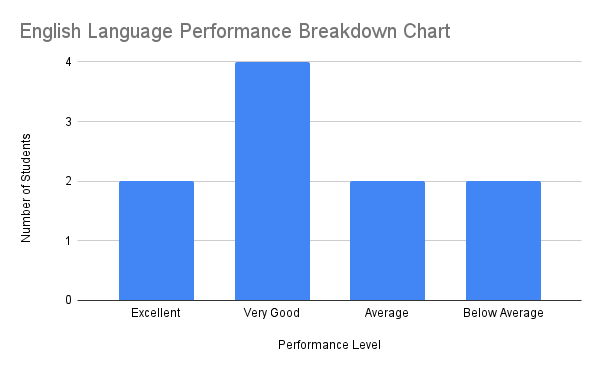
We analyzed the performance of ten scholarship beneficiaries in the 2023/2024 academic year, focusing on Mathematics and English.
English Language Performance
- 2 students scored excellently.
- 4 students had excellent grades.
- 2 students had average grades.
- 2 students had below-average grades.
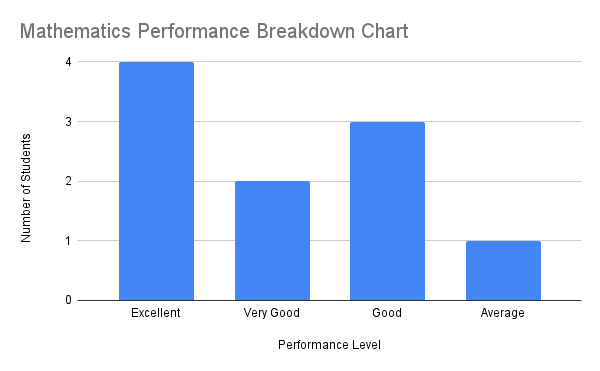
Mathematics Performance
- 4 students scored excellently.
- 2 students had excellent grades.
- 3 students scored well.
- 1 student had an average grade.
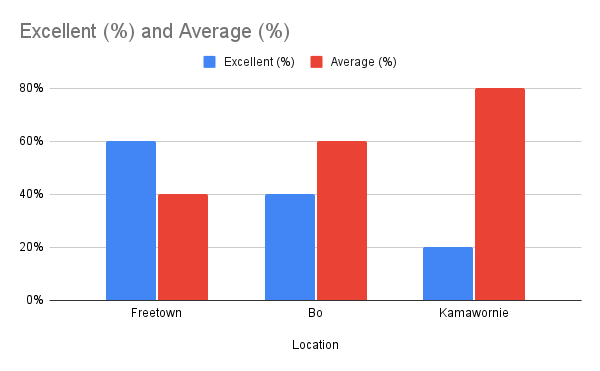
Location-Based Performance Trends
- Freetown: 60% performed well, 40% were average.
- Bo: 40% excelled, 60% were average.
- Kamawornie: 20% excelled, and 80% were average.
Boys outperformed girls, especially in Kamawornie, whereas girls in Freetown performed better than those in other locations.
Recommendations
- Targeted Support: Provide extra classes and textbooks for struggling students.
- Encouragement & Mentorship: Recognize and support high-achieving students to mentor others.
- Regular Progress Monitoring: Implement a system to track grades and adjust learning strategies.
- Localized Interventions: Offer additional tutoring and resources for students in underperforming areas like Bo and Kamawornie.
Conclusion
Continuous academic support and tracking of students’ progress will enhance their educational experiences. By implementing a structured approach to address specific challenges, we can help all beneficiaries succeed academically.
Watch the testimonial video from one of Develop Africa's beneficiaries, sponsoring her right from class 2 to a college graduate below.
We’re always looking for aligned hearts and hands to join us. If you or your organization is interested in supporting education, mentorship, or community development in Africa, let’s talk. Your next message could lead to someone’s breakthrough.
🔗 Want to learn more or get involved? Here are a few ways you can take action today:
🌍 Visit our website: www.developafrica.org
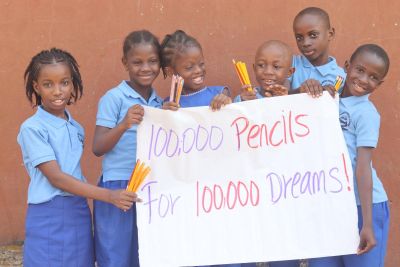
✏️ Support our current campaign – The Year of the Pencil: www.developafrica.org/yearofthepencil
📬 Get updates: Join our newsletter
💬 Reach out to collaborate: Contact us
Connect with us: https://linktr.ee/developafrica
Reference
UNICEF Reports (2019). Unicef. https://www.unicef.org/sierraleone/reports/out-school-children-study-sierra-leone. Accessed on 30 October 2025.