Building Futures in Remote Places: A Field Visit to Kamawornie Village, Sierra Leone
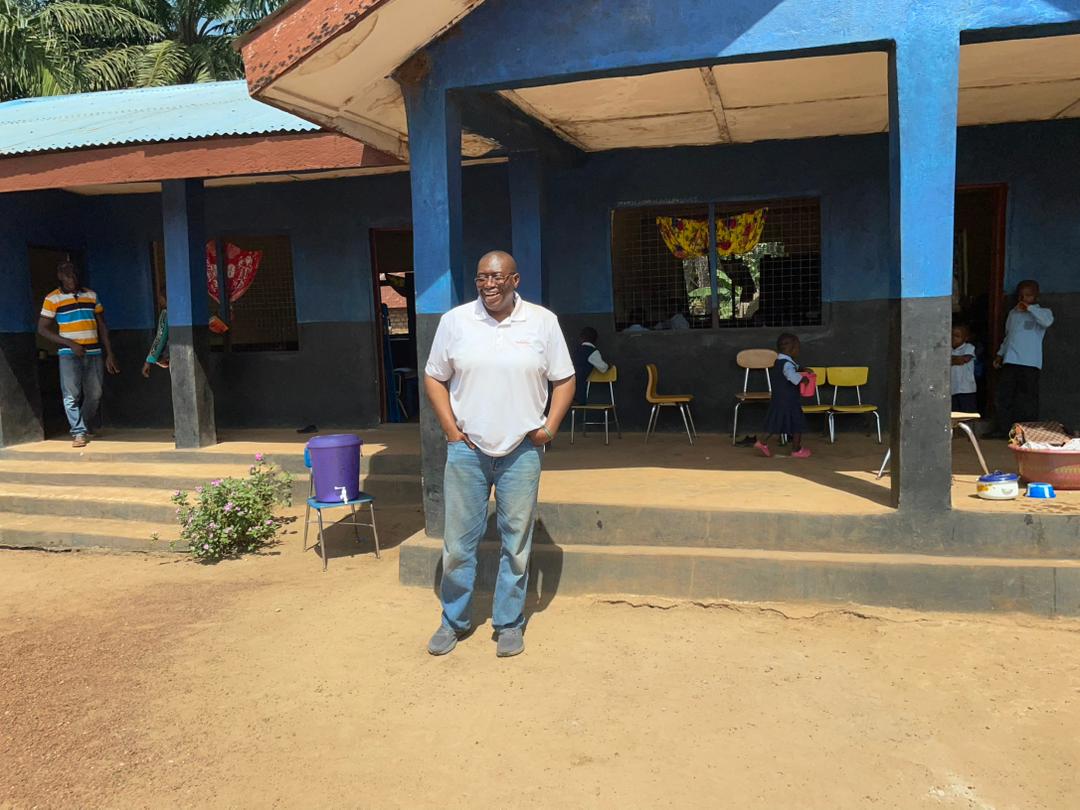
Seeing the results of donor support and community-led education in Kamawornie.
1. Introduction & Purpose of Visit
In November 2025, I had the privilege of visiting Kamawornie Village, Sierra Leone, one of the rural communities where Develop Africa has worked consistently for many years. Although our organization has supported Kamawornie through education and community-based initiatives for a long time, this was my first personal visit to the village.
While a fellow board member, Parker Russell, visited Kamawornie shortly before the COVID-19 pandemic, this visit allowed me to finally see firsthand the classrooms, community, and children we have been supporting—and to listen directly to the voices of those whose lives have been shaped by this work.
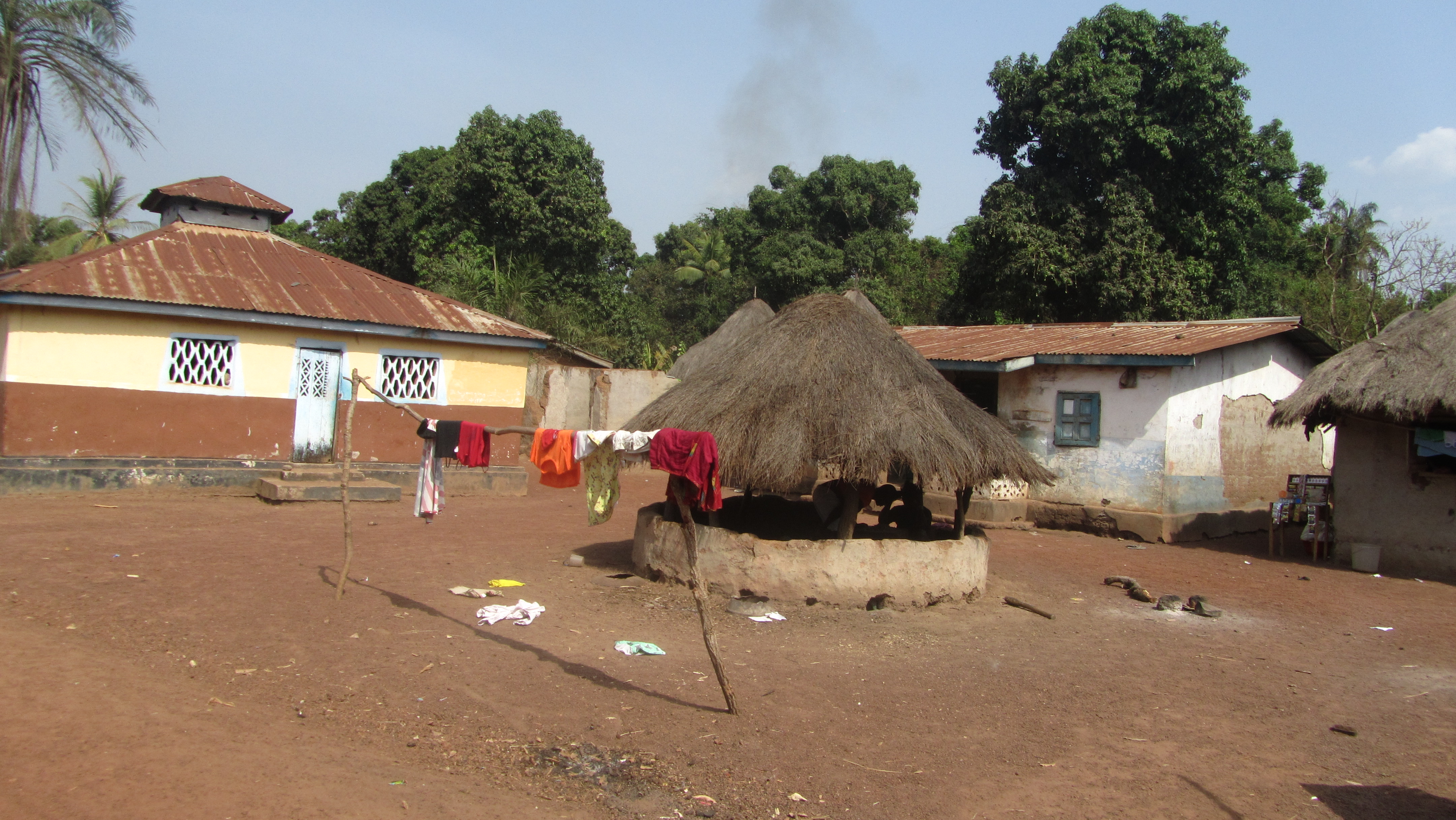
Standing alongside community members, it became clear that our long-term presence has built trust, partnership, and shared ownership. This visit was deeply meaningful and reaffirmed the importance, relevance, and long-term impact of our investments in early childhood education, teacher support, and community engagement.
2. Community Reception & Welcome
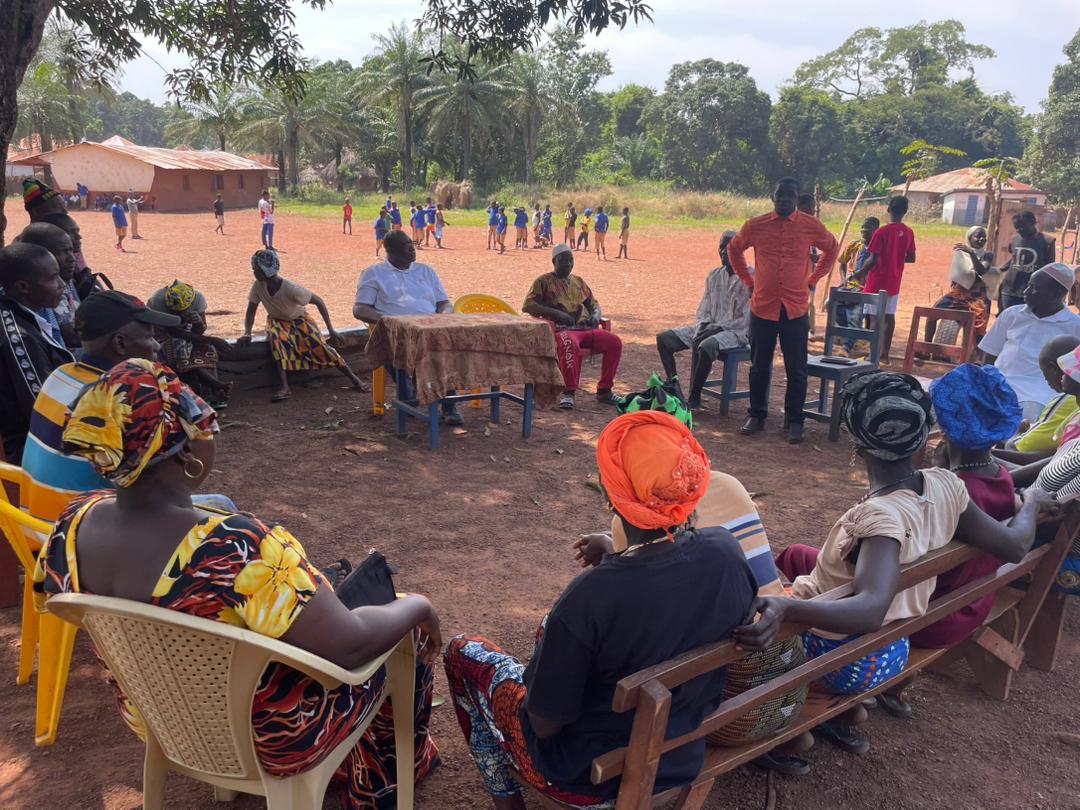
Upon arrival in Kamawornie, we received an exceptionally warm and heartfelt welcome. Community elders, women, parents, youth, and beneficiaries gathered together, creating an atmosphere of celebration, respect, and unity.
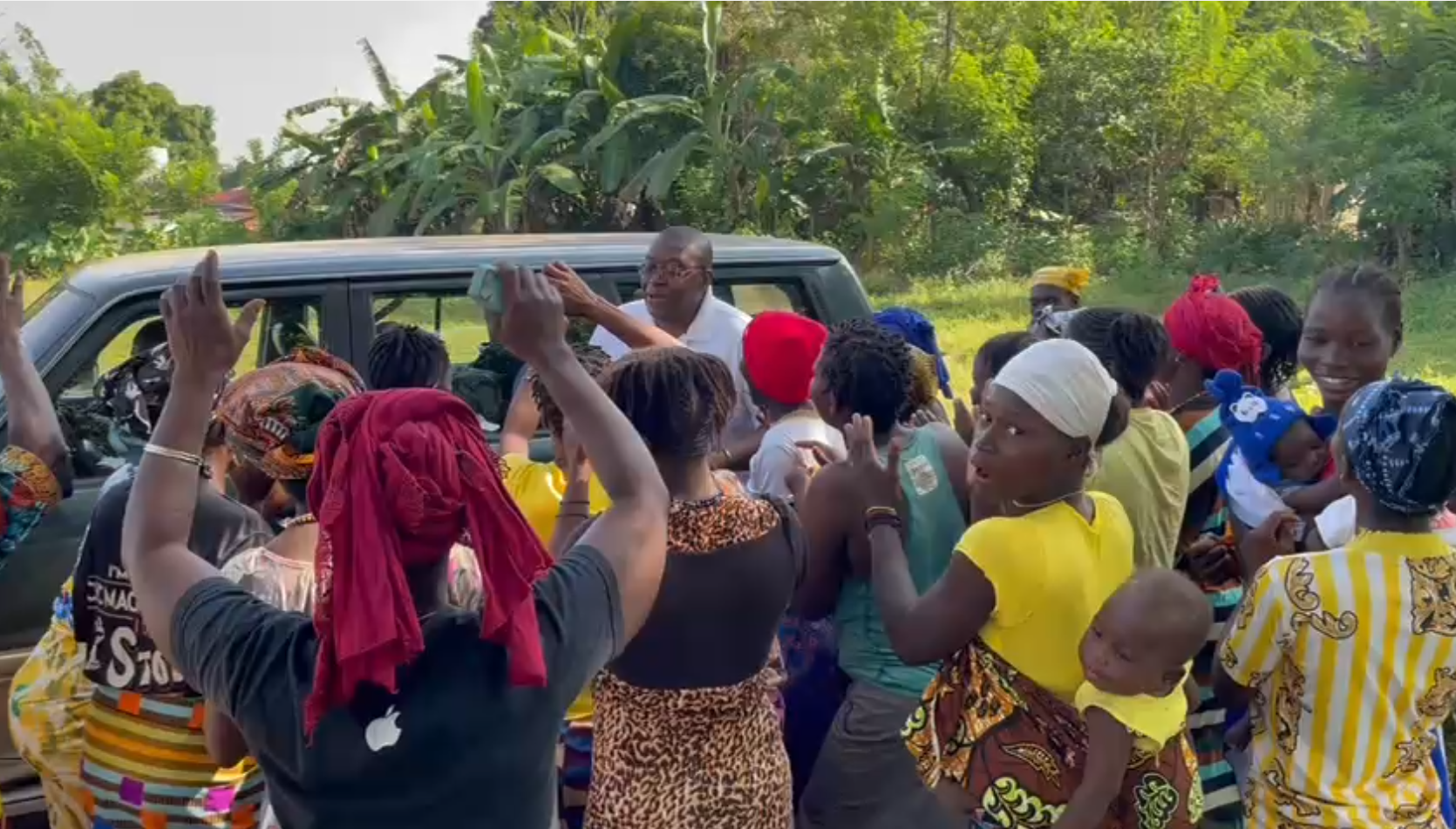
What made this moment especially powerful was recognizing faces I had previously only seen in photographs—now meeting them in person, hearing their stories, and standing together as partners. The community expressed not only gratitude, but great pride in what has been built through sustained collaboration.
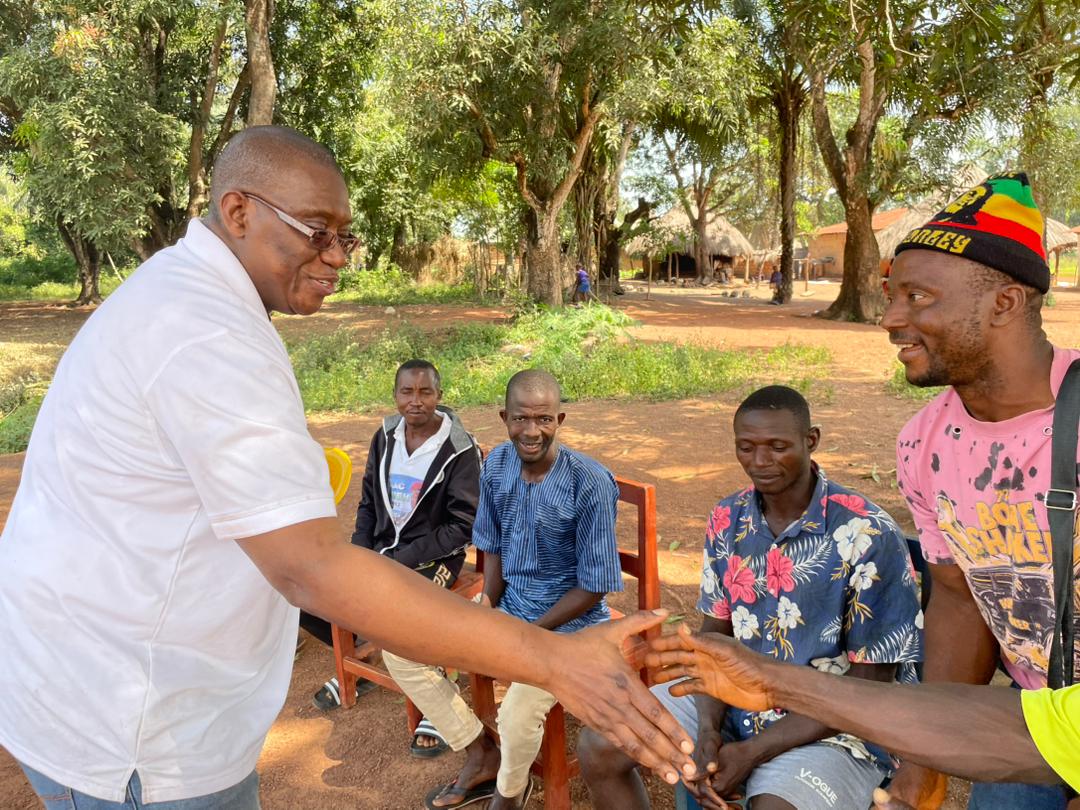
Village leaders and residents repeatedly asked that a message be carried back to our supporters: a sincere thank-you for believing in Kamawornie and investing consistently in their children’s education and future.
3. Community Meeting with Elders & Stakeholders
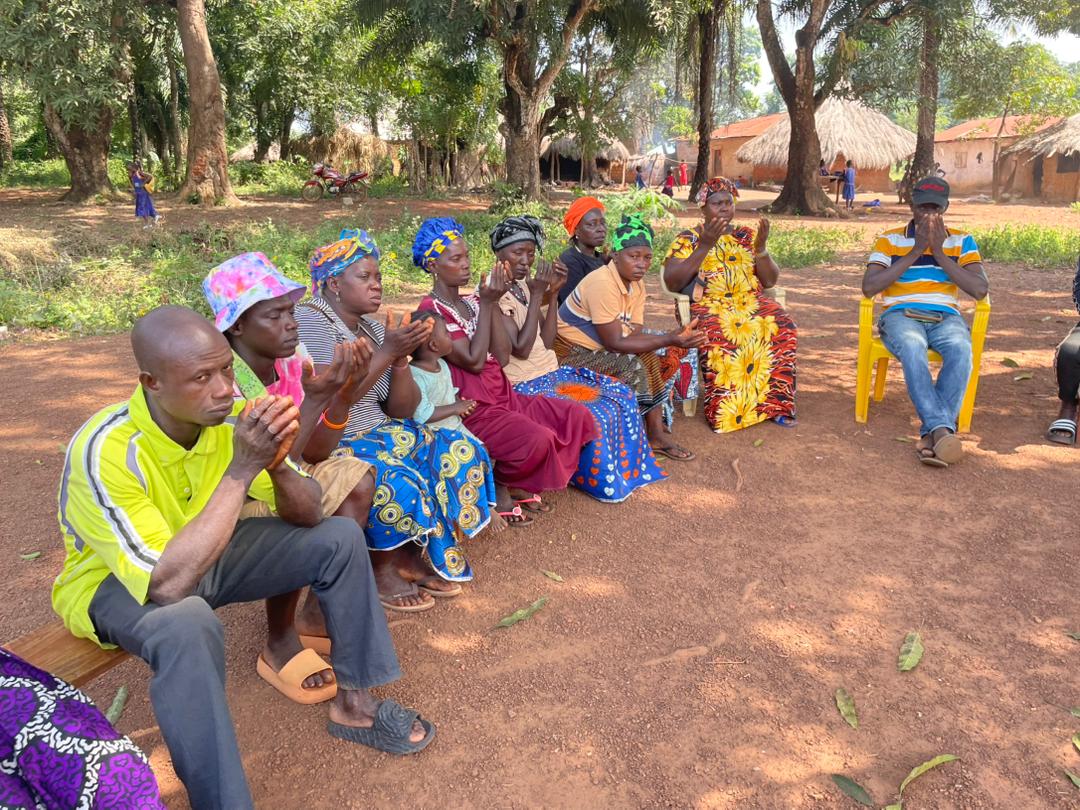
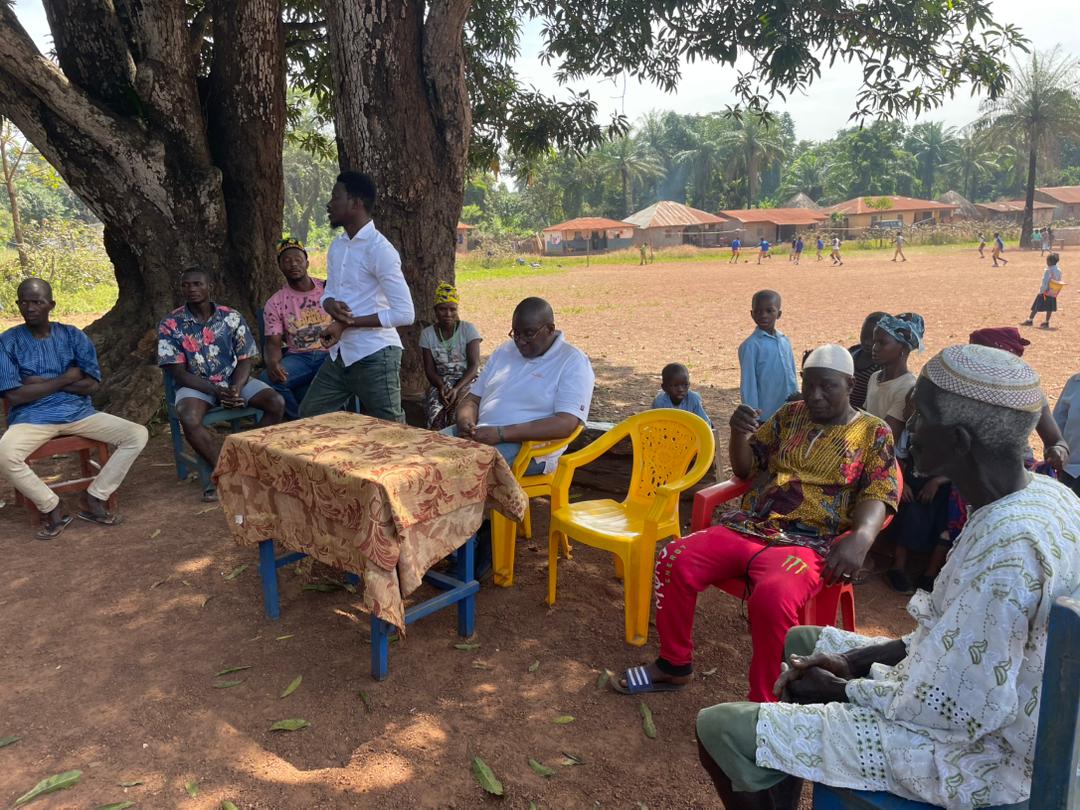
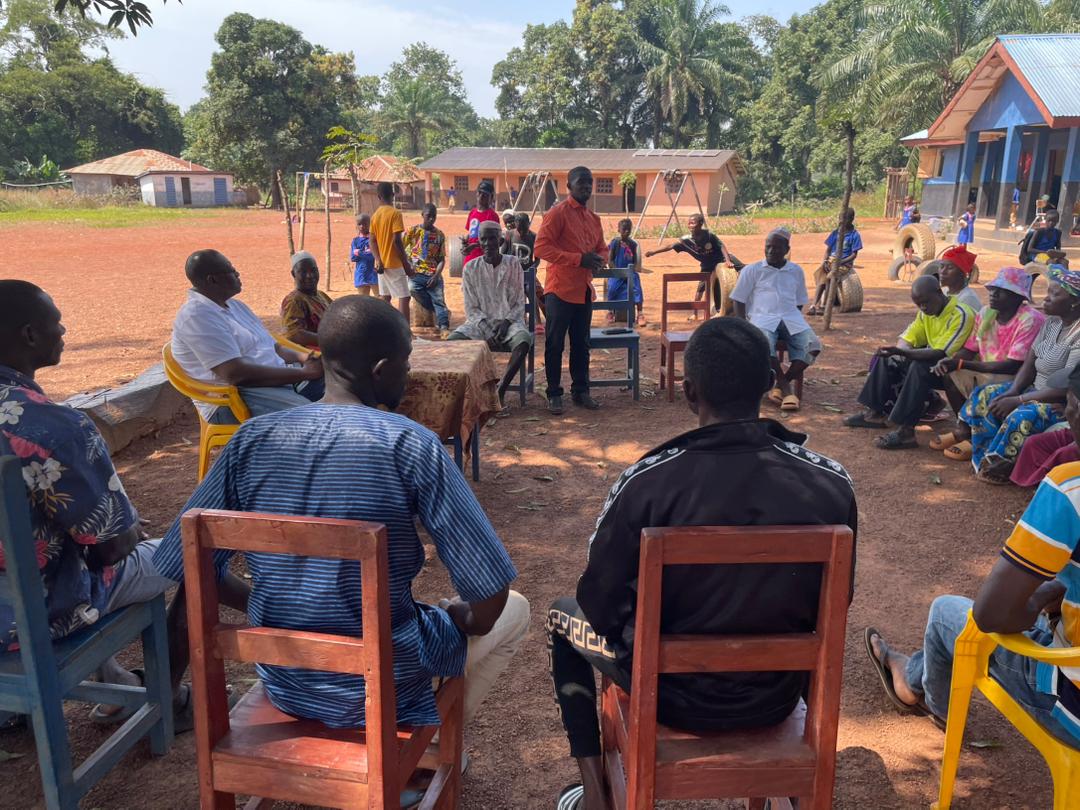
A formal community meeting was held outdoors under the shade of large trees near the school—an important cultural setting that reflects openness, equality, and shared responsibility. Elders, parents, teachers, youth, and Develop Africa representatives sat together in a circle, emphasizing partnership rather than hierarchy.
During the meeting:
- Elders reflected on the village’s educational challenges before Develop Africa’s involvement.
- Parents shared visible changes they see in their children’s confidence and learning.
- Community leaders emphasized the importance of early childhood education as a foundation for success.
- Gratitude was openly expressed through words, prayer, and moments of quiet reflection.
These conversations reinforced a core principle of Develop Africa’s work: projects succeed when communities are active partners, not passive recipients.
4. Overview of Develop Africa’s Impact in Kamawornie
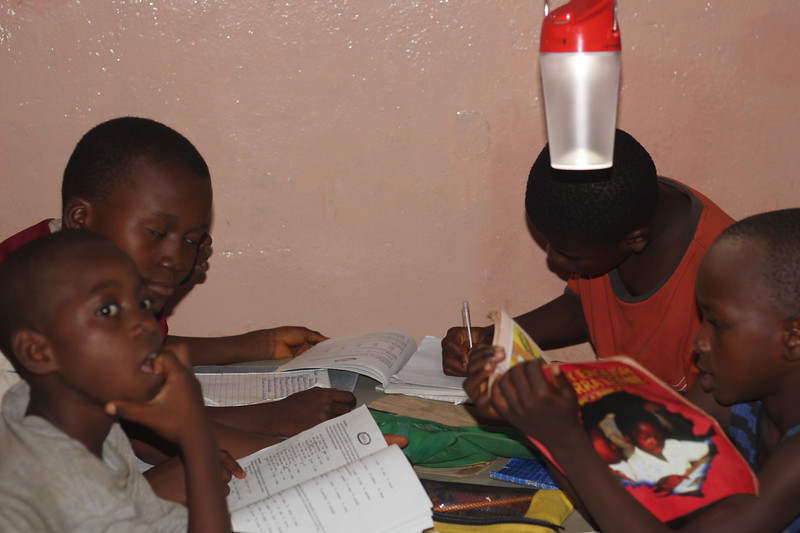
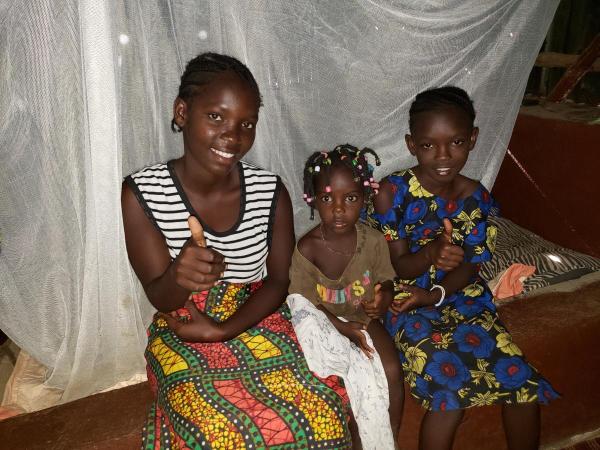
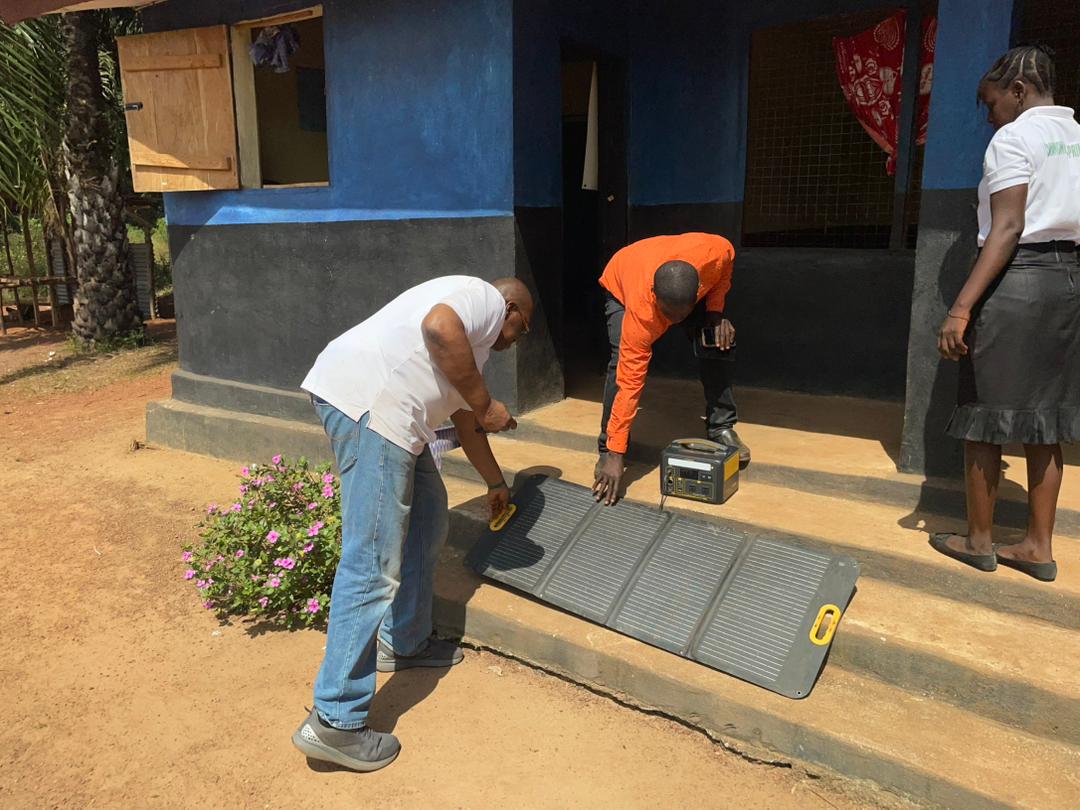
Over the years, Develop Africa has supported dozens—likely hundreds—of children in Kamawornie through a range of targeted interventions, including:
- School supplies
- Solar lighting
- Tuition assistance
- Mosquito nets
- Teacher training
- Monthly after-school educational activities
One of the most transformative milestones, however, has been the establishment and ongoing support of the nursery school (early childhood education).
Before this program:
- Kamawornie had no early childhood education options.
- Children often entered Class One without basic foundational skills.
- Teachers lacked specialized training and learning resources for young children.
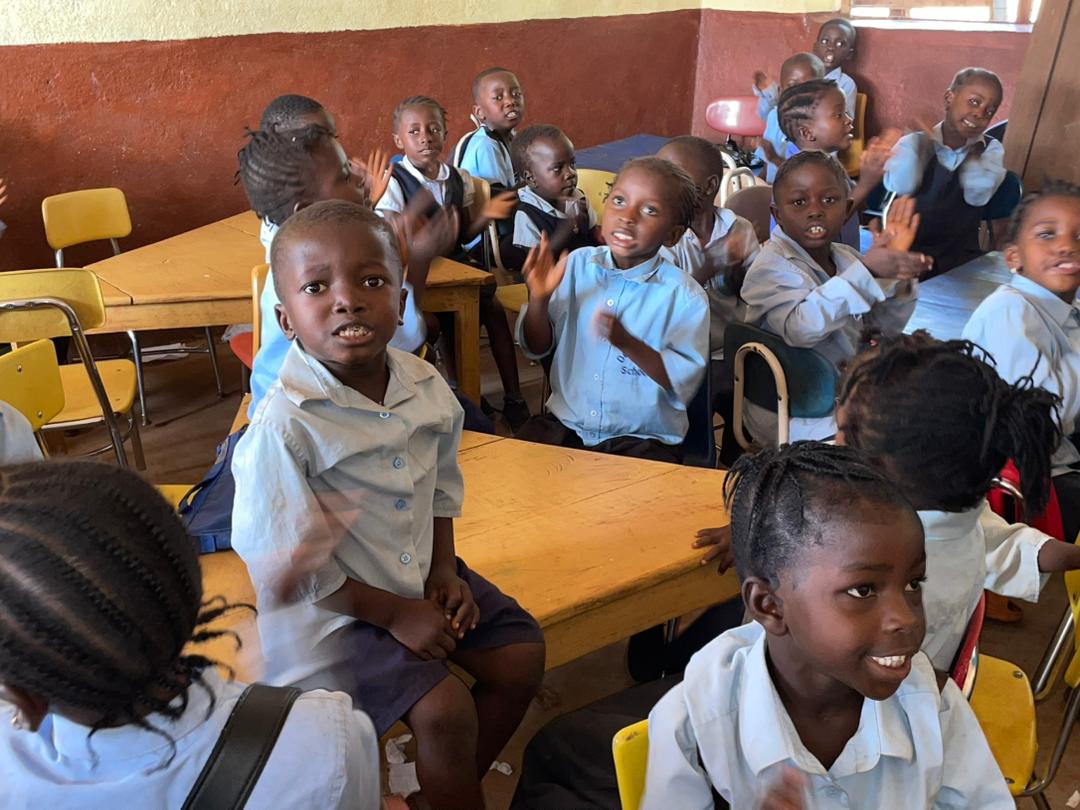
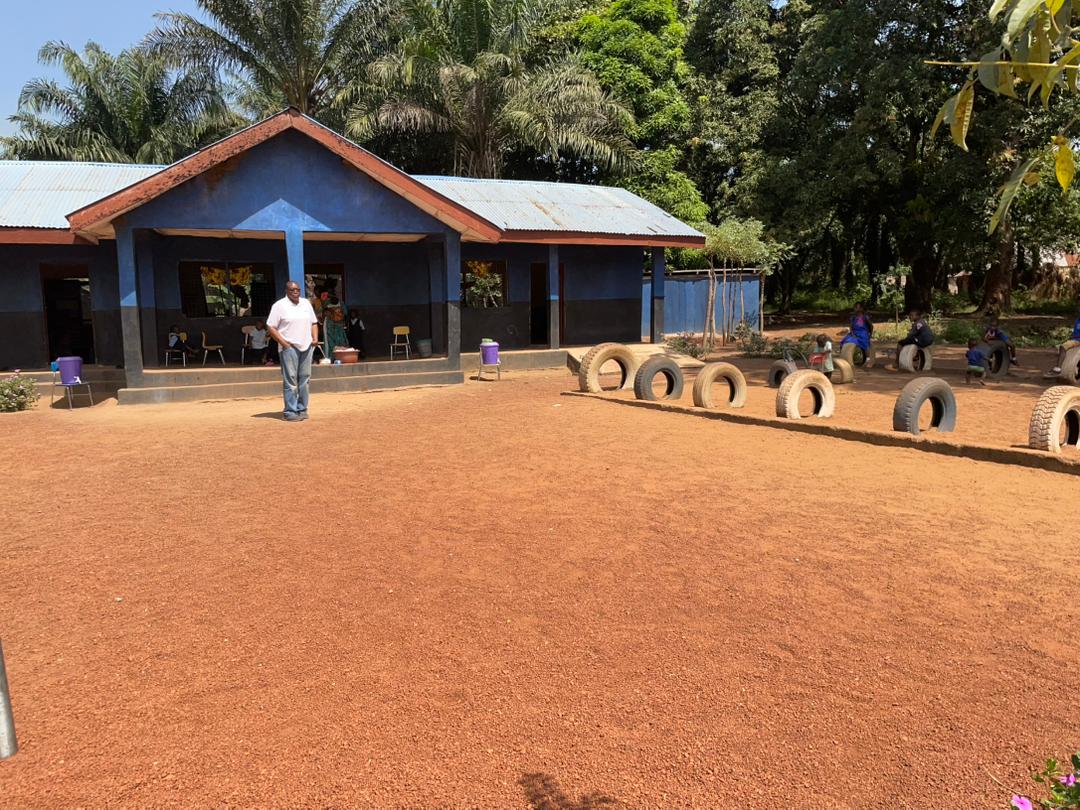
Today, the nursery school represents far more than a building—it offers children a structured, supportive introduction to learning, setting them on a stronger academic path from the very beginning.
5. Nursery School & Classroom Visit
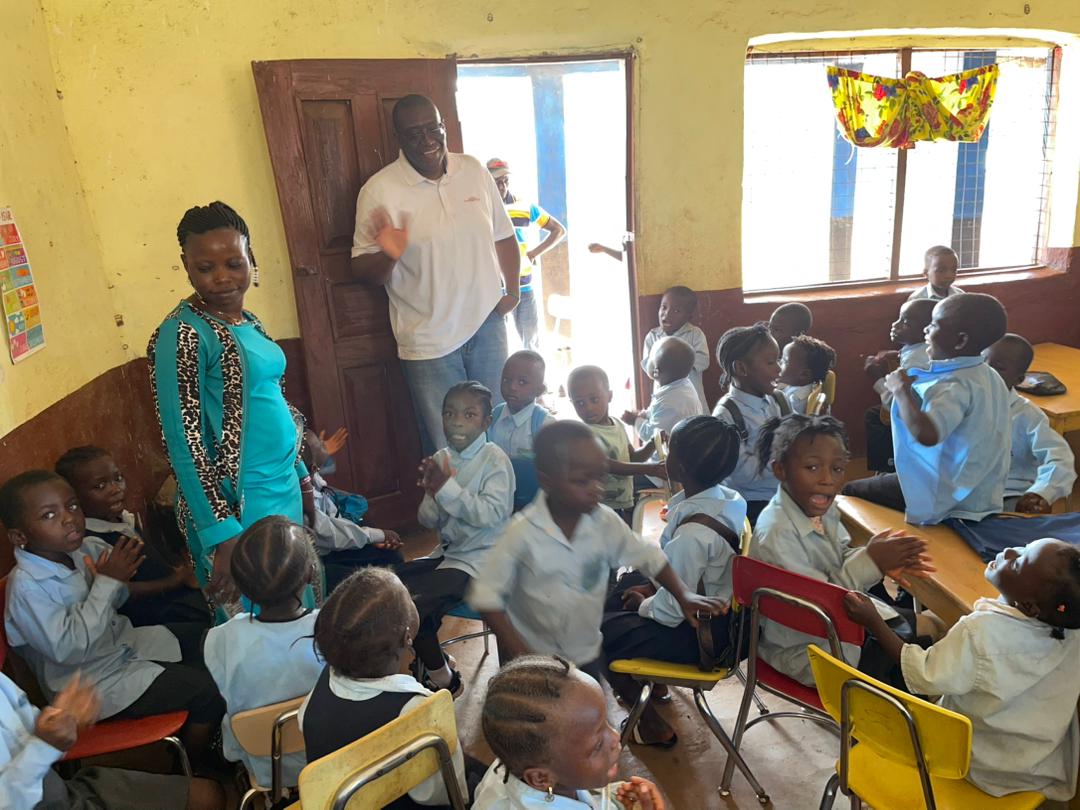
I visited several nursery classrooms and had the joy of sitting among the children as they sang welcome songs and participated in interactive activities. The room was alive with energy, curiosity, and enthusiasm.
Although modest in physical resources, the classrooms represent a significant leap forward for this remote village. Children are now developing:
- Early literacy and numeracy skills
- Communication and social interaction
- Confidence through participation and group learning
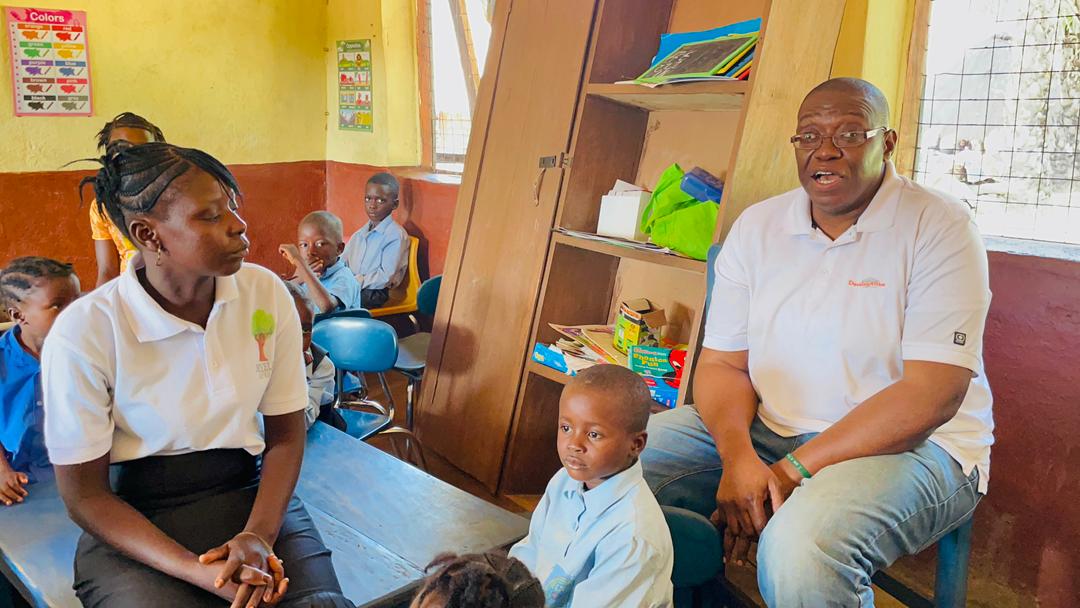
Teachers engaged openly during the visit, sharing their experiences, challenges, and progress. Many expressed appreciation for the training, encouragement, and consistent support they have received over the years.
6. Teacher Support & Learning Environment
Teacher capacity is central to delivering quality education outcomes. During classroom discussions, teachers described how access to training, basic materials, and moral support has strengthened their confidence and effectiveness.
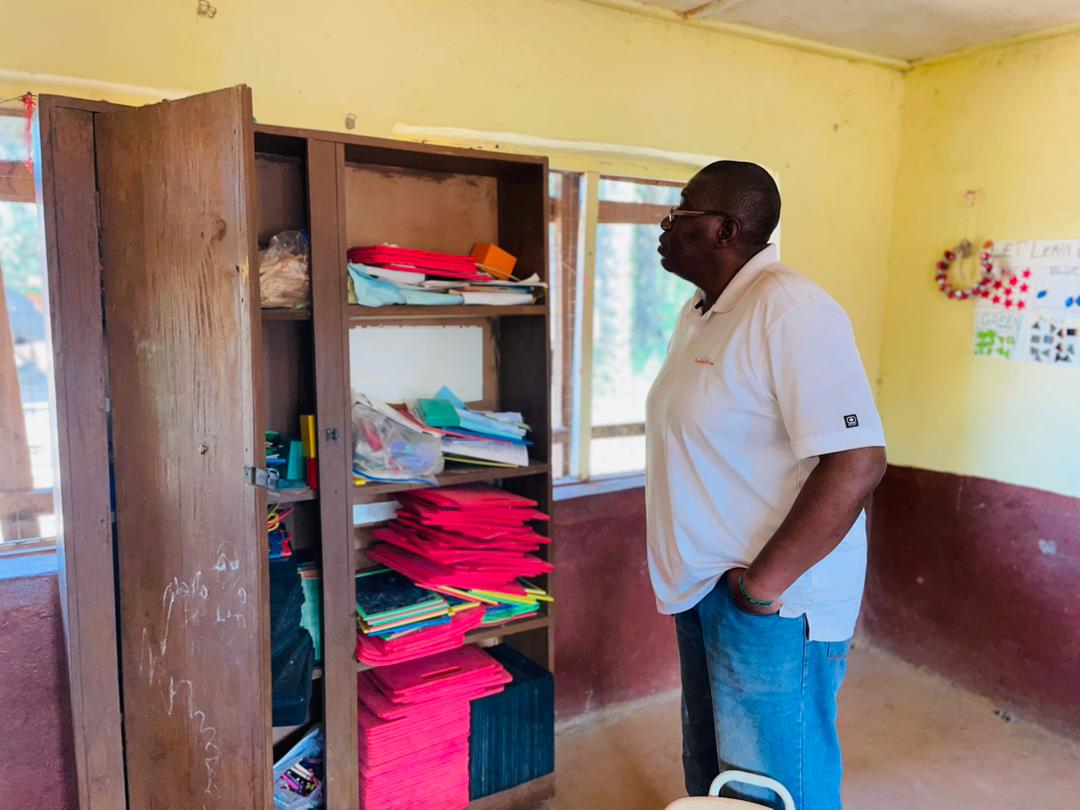
While challenges remain—particularly related to infrastructure and resources—the commitment and enthusiasm of the teachers are unmistakable. Continued investment in:
- Teacher training
- Learning materials
- Classroom infrastructure
will further strengthen outcomes and expand long-term impact for students.
7. Serving a Remote & Underserved Community
Kamawornie is a remote village, and like many rural communities, it traditionally receives fewer resources due to accessibility challenges. Yet the needs are just as real—and often greater—than those in urban areas.
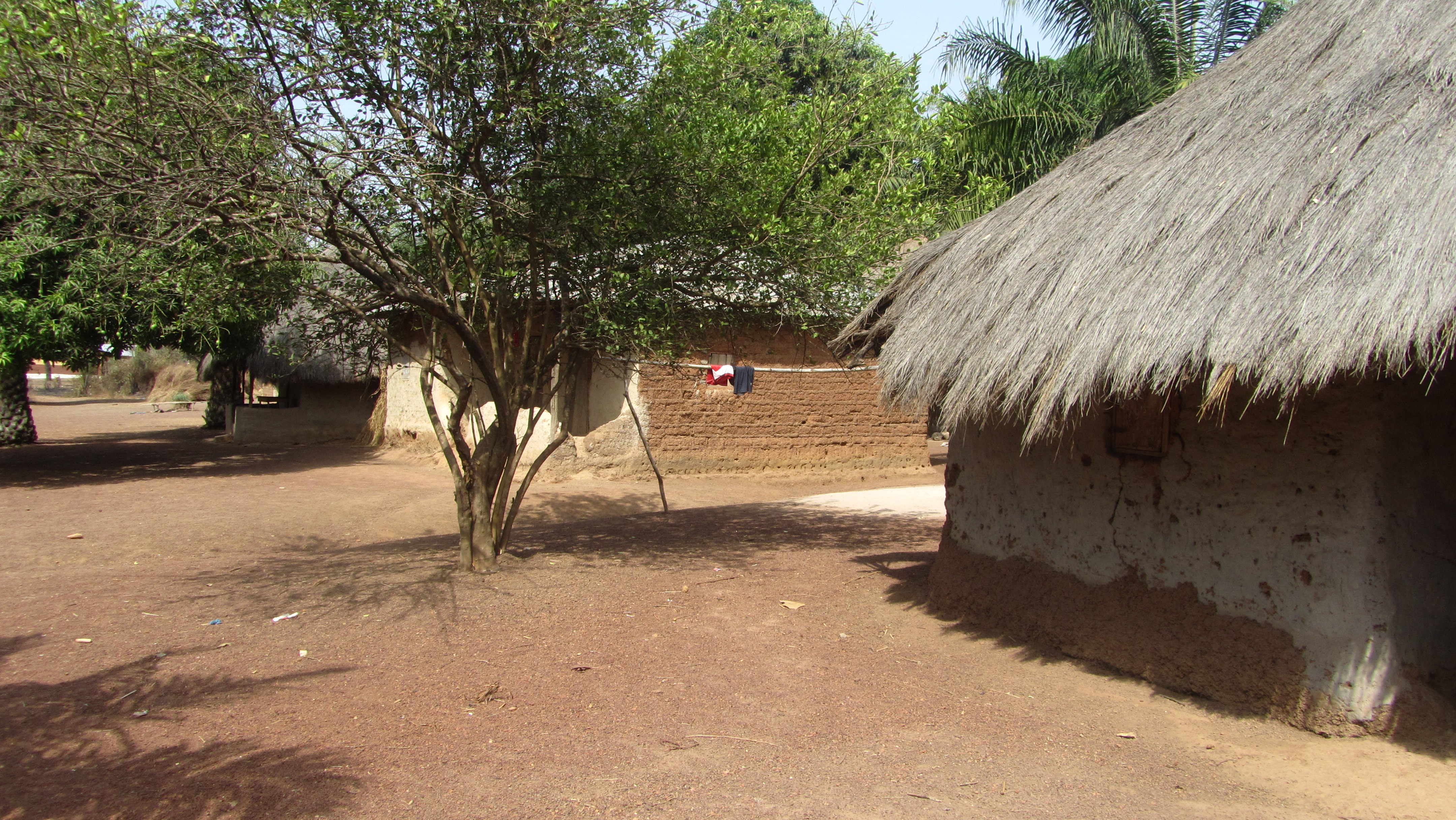
Develop Africa’s philosophy remains clear and unwavering:
A child’s location should not determine their access to quality education or opportunity.
By intentionally investing in remote communities like Kamawornie, we are helping to level the playing field and ensure that no child is left behind simply because of geography.
8. Gratitude to Donors & Partners
This work would not be possible without the generosity and commitment of individuals and partners who believe in education as a long-term solution. The community specifically asked that gratitude be shared with:
- Individual donors
- Supporters who gave through the Develop Africa website
- GlobalGiving donors
- Ubuntu for Humanity
- Arcane Library
- Visory Health
- Many others who supported classroom construction, supplies, and training
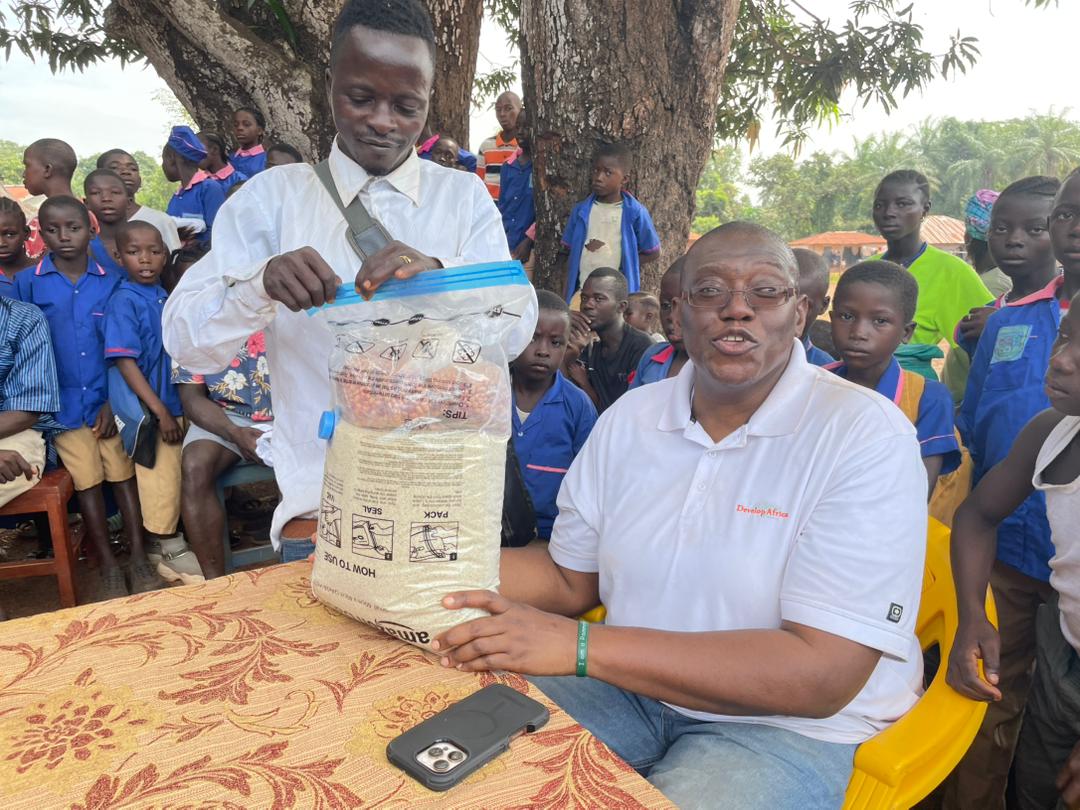
Your investment is visible—not only in physical structures, but in confident children, engaged teachers, and empowered communities.
9. Reflection & Conclusion
Seeing Kamawornie in person was profoundly moving. It affirmed that the work we are doing is not only necessary but deeply meaningful and impactful.
This visit reinforced three essential truths:
- Early childhood education works
- Community partnership matters
- Donor support creates lasting, measurable change.
I am deeply grateful to everyone who has walked this journey with us. Thank you for believing in this vision and for helping transform lives—one village, one classroom, and one child at a time.
With sincere gratitude,
Sylvester Renner
President & Founder, Develop Africa
Map below shows the location of the Kamawornie Nursery School
-
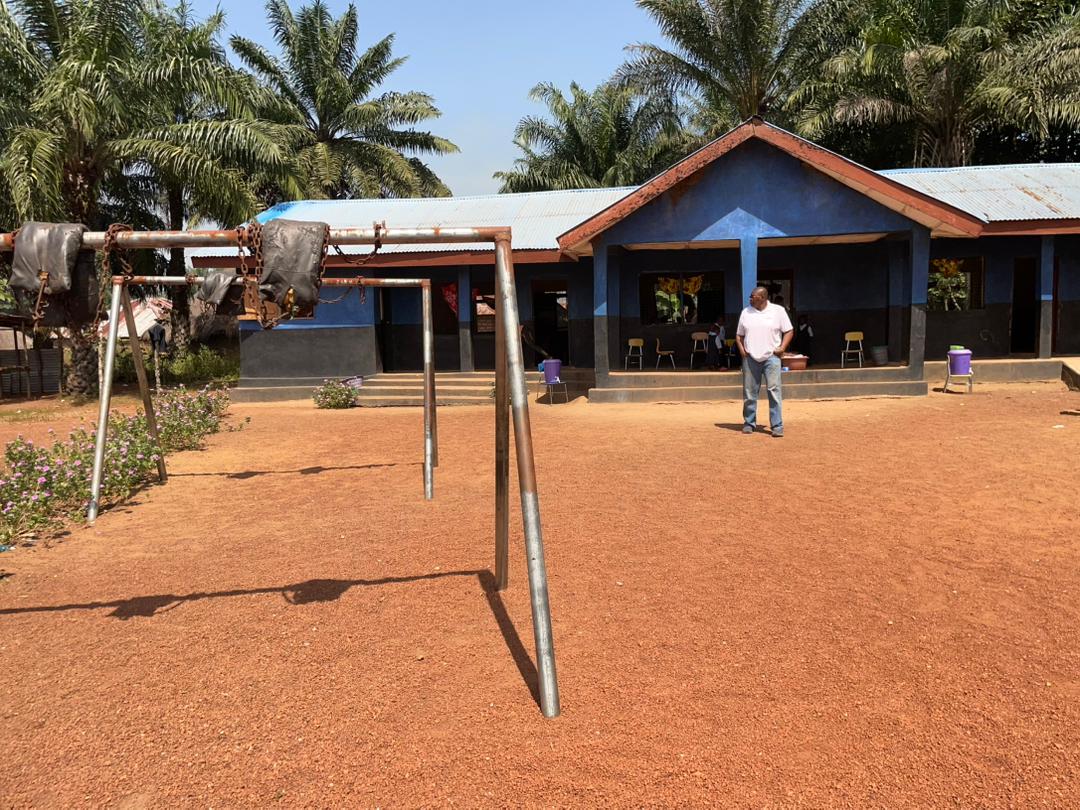
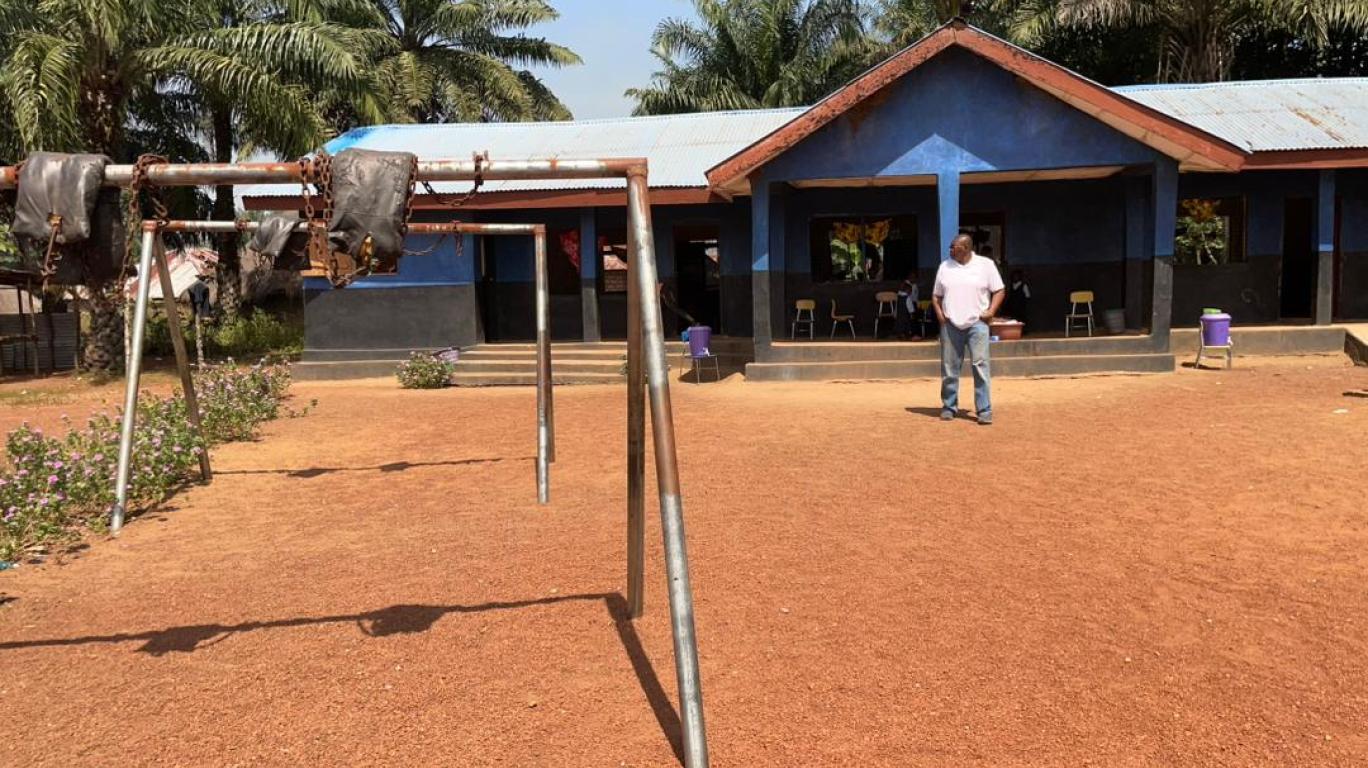 sylvester-standing-in-front-of-kamawornie-nursery-school