The number of mosquito-caused deaths really is a mind-blowing thing
"The number of mosquito-caused deaths really is a mind-blowing thing.
"The number of mosquito-caused deaths really is a mind-blowing thing.
Serum therapy is broadly defined as the act of transferring certain humoral antibodies from an animal proved to have a high concentration of these antibodies to another animal in need of the same antibodies temporarily. The applications of this term is widely used even when other species other than human is the recipient or donor. As part of the solution to many viral diseases there are also probes associated with serum therapy as a whole, those include transmission of other infections other than the target disease.
The Washington Post wrote an article following US Secretary of State John Kerry urging leaders around the world to “step up even further” in their anti-Ebola efforts. In the article there was a graph (shown below) that shows financial contributions to the UN for Ebola by country. The goal is to raise $998 million and as of October 8th, 2014, financial contributions towards the UN Ebola response fell short by $306.2 million. The highest contributor was the US at $113.8 million and the lowest contributor was Italy at $2.2 million.
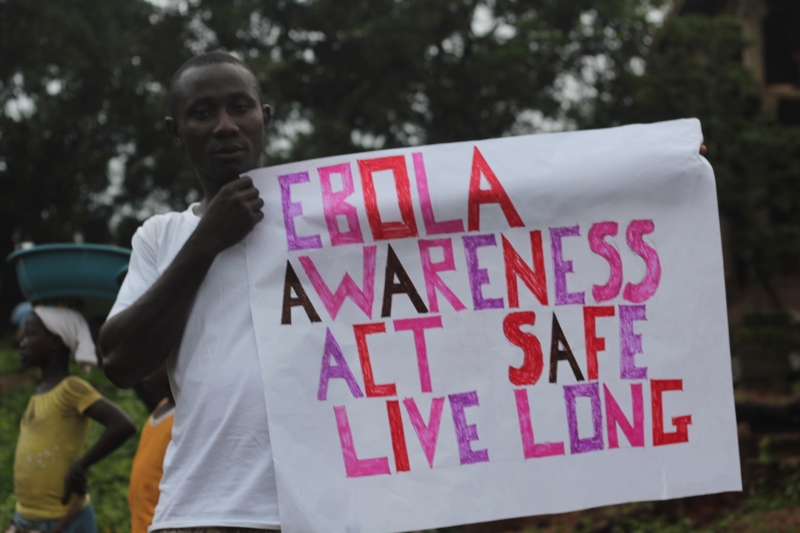
Millions of people in West African nations are bracing themselves in the face of the worst Ebola outbreak in human history. To date, the outbreak has led to 2,100 deaths. Over 3,000 have been infected. As Ebola makes its way from remote towns and villages into major cities, the World Health Organization predicts that up to 20,000 people may be affected before the outbreak ends.
Since 2000, The World Health Organization (WHO) has been on the forefront of the initiative to end malaria. With over half the world’s population at risk of contracting the infection, the agency has pushed to provide the adequate treatment and prevention to affected areas. In ten years, the mortality rate of malaria in the African region was reduced by 33% (WHO). Worldwide, the mortality rate was lowered by 25%. However, with the new development of drug resistant strains of the virus, agencies are clamoring to keep up with the changing face of malaria.
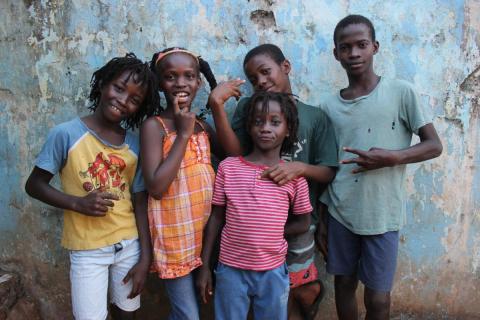
Throughout Kenya and other developing countries, there is a clear demand for water as an integral part of daily living. As a natural resource, water is in scarce supply and the ongoing drought in Kenya has greatly harmed already vulnerable populations. Adequate supplies of quality water can improve health and prevent disease through better sanitation and hygiene, and contribute to productive livelihoods. The pastoral communities are suffering great financial losses as their herds die from lack of water and suitable land for grazing disappears.
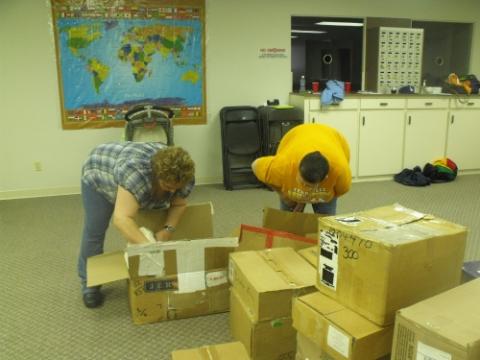
Pharmaceuticals are the single most common public health intervention for prevention and treatment of diseases, but access is a significant limitation in the developing world. Physical and financial barriers are struggles that all nations share, but in low resource settings the need for health system and market interventions is especially important. An estimated one-third of the global population lacks access to chronic and acute medications, and often the medications people use are low quality or bought from the black market.
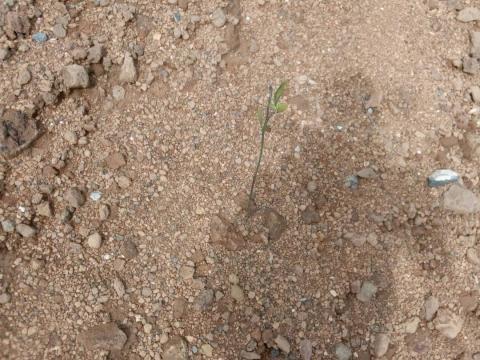
Making the news recently is the devastating famine in Eastern Africa. In Kenya, Somalia, and all along the coast people are seeking help at refugee camps, but many, mostly children in fact, continue to suffer. Parents of approximately 29,000 children under the age of five have lost their young loved ones in the course of these last three months. (http://www.bbc.co.uk/news/world-us-canada-14470324).
Make a Difference Today: Donate to the Year of the Pencil Campaign
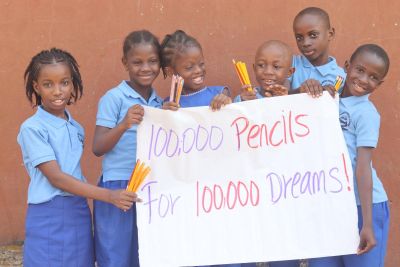
On November 20th, this movement placed over 100,000 pencils into the hands
of children across Sierra Leone in 20 schools.
Each pencil tells a story — of hope, opportunity, and possibility.
Education is more than lessons — it’s liberation.
Every $25 helps children write their dreams.
👉 Help provide pencils by donating today!