Progress is a Circular Endeavor
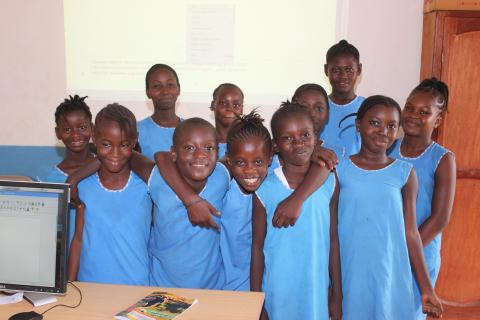
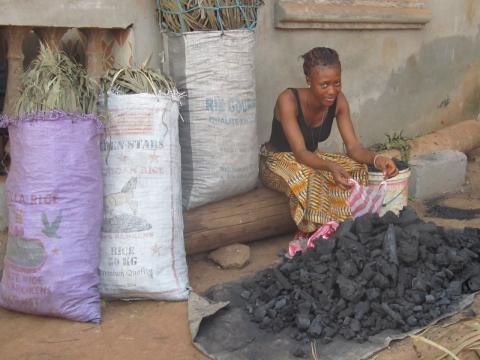
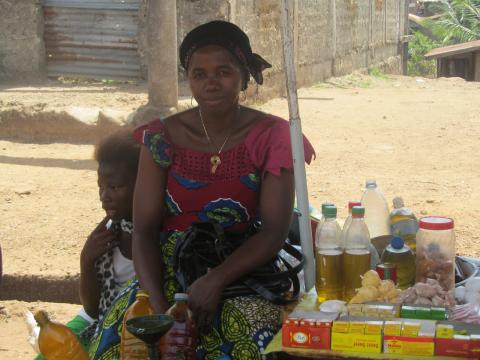
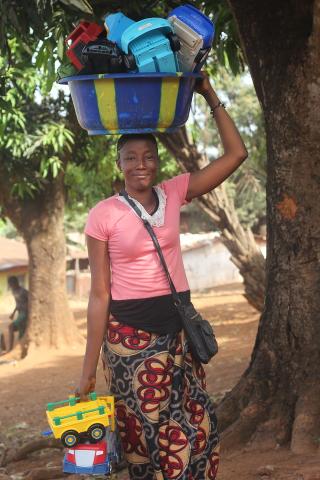
Seventy-five percent of Sierra Leone citizens are employed by agriculture, and this sector accounted for nearly half of the country’s GDP according to a 2012 report published by the International Food Policy Research Institute (Johnson, Johnson, Kandeh, Jalloh & Thomas, 2012). This statistic is surprising when you consider that almost half of the working-age citizens of Sierra Leone are engaged in subsistence farming (Cia.gov, 2016).
Chinese Imports Hamper Industry in Africa’s Largest Economy

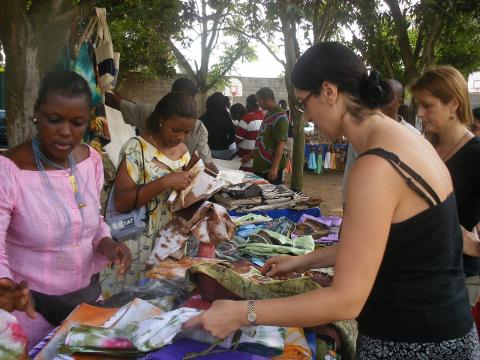
In Nigeria, a traditional trade that has existed in one form or another for at least a millennium is now threatened with the prospect of collapse.

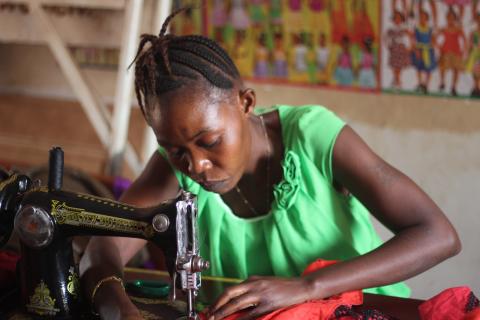
In April 2015, the Nigerian government lifted an import ban on foreign textiles that had been in place since 2010.[1] This ban had been intended to protect domestic textile producers from a world market in which their goods were becoming increasingly uncompetitive. Now, with the ban lifted, cheap textile imports from Asia are rapidly flooding the Nigerian market.

Choose To Join Those Who Care

As Caitlyn looked down at the sweet face of her sleeping baby, she recalled what the pediatrician said. “She’s developing at an above average rate.”

It filled her with happiness. It was a diametrically opposed contrast to the new mothers with babies shown in third-world countries. How heartbreaking it must be to know your baby can’t get the basic vaccinations or any other medical care. How helpless a mother would feel putting her child to bed at night, knowing she was hungry?  

Rebuilding after Ebola: The Role of Microfinance

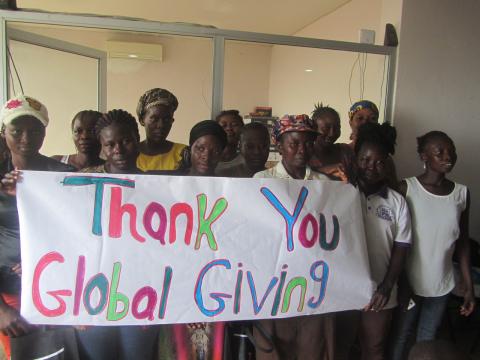
A recent article made a convincing case for the usefulness that microfinance might offer in West Africa. Travel restrictions and program freezes put much local investment on hold during the Ebola outbreak but not that things are calming back down, there is need for investment; both for routine infrastructure improvements and a healthcare system that is prepared in the unfortunate case of a future outbreak.

Evolving Solutions to Economic Inequality

During a recent interview with Foreign Affairs, World Bank president Jim Yong Kim was asked about the challenges to economic development and what the institution is doing about it. He responded by naming two goals: ending extreme poverty by 2030 and boosting shared prosperity. These are rather ambitious goals but if achieved would represent a significant and positive development in addressing income inequality. However, there is a more interesting point that comes up during the interview. Mr.

Subscribe to Economic Topics & Microfinance

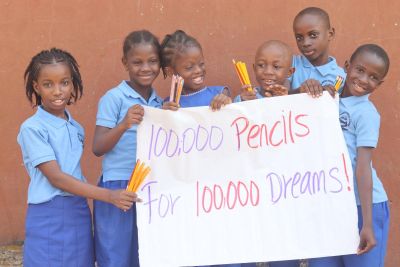
Make a Difference Today: Donate to the Year of the Pencil Campaign

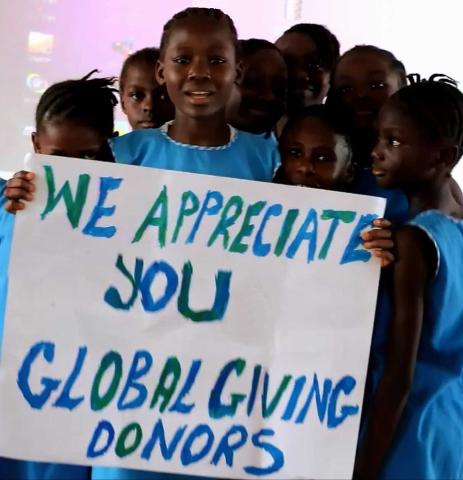
On November 20th, this movement placed over 100,000 pencils into the hands 

of children across Sierra Leone in 20 schools.

Each pencil tells a story — of hope, opportunity, and possibility. 

Education is more than lessons — it’s liberation.

Every $25 helps children write their dreams. 

👉 Help provide pencils by donating today!