Advance the Future of Sierra Leone with Computers

Government policies in Sierra Leone that exclude pregnant girls from attending school are short-sighted. Supporters of these policies do not seem to recognize the long-term effects of their decisions on the economy and society as a whole – an education could potentially help these young mothers become assets rather than burdens. Lack of education is a major obstacle that is preventing young mothers from becoming productive, tax-paying members of the work force.

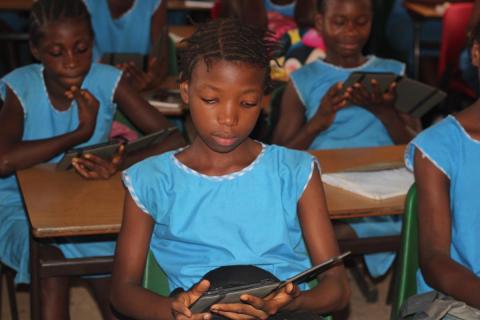
Mobile Technology: The future of e-Learning in Africa

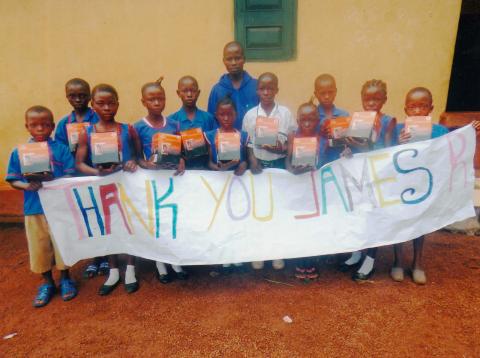
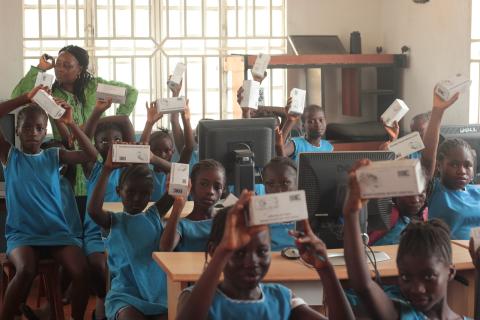
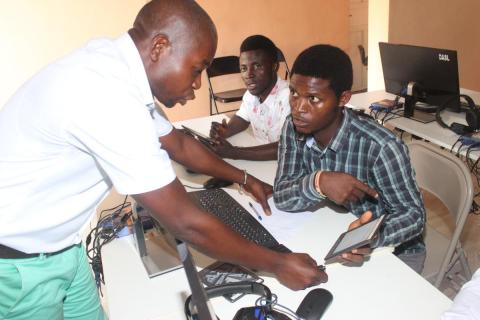
With the prevalence of mobile technology, the education sector has been revolutionized by offering students and educators alike more readily available resources. Additionally, interactive learning materials, and other effective ways to collaborate with each other even when they are away from the classroom have been integrated into daily workflows. In developing countries, such as Africa, smartphones and tablets have paved the way for learners to receive better education, equal to the ones in the more advanced nations.

A Grim Future for Unwed Mothers in Sierra Leone

Sierra Leone, a country in West Africa, faces several challenges. You may have heard of a few of these challenges, like the aftermath of the horrific Ebola epidemic. Maybe you have heard about the children soldiers who wield guns bigger than themselves. But there is another epidemic facing Sierra Leone—the rapid increase in the number of teenage girls who are pregnant and unwed.  
 

Investing in a Brighter Future for Africa

We often hear of the deprivation and starvation in Africa, but did you know that Africa has the potential to be a major supplier of agricultural goods? Africa has the capability to feed its citizens, and more. Unfortunately, too many African countries lack the leadership necessary to make that happen.


Agriculture was once an abundant commodity in Africa. Agricultural commodities were a major export for most sub-Saharan countries in the late 1960’s. Three decades later these countries were importing millions of tons of food each year. What happened?
 

Education Ministry Records 3,017 Pregnant School Girls

Public Relations Officer in the Ministry of Education, Science and Technology yesterday stated that about 50% to 60% of girls that are currently pregnant are those who do not want to be in the school system.

According to Brima Michael Turay, the teenage girls have no business being pregnant if they were serious about staying in school to acquire quality education.

He revealed that the ministry has recorded a total of 3,017 pregnant school girls across the country over the past nine to ten months.

Africa's Energy Crisis

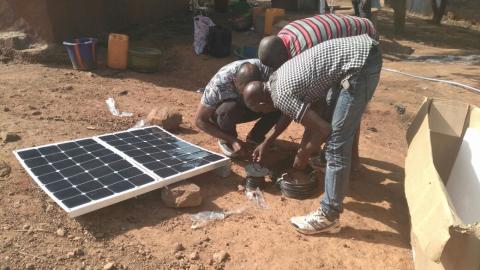
     Energy boosted economic growth in many nations after its development. Energy also left many nations in the dust because of its price. Nearly 1.3 billion people do not have electricity according to the “The Guardian.” Most of these people are located in the Sub-Saharan Desert and in rural areas in Asia. But why doesn’t the Sub-Sahara Desert have access to electricity and why haven’t there been any improvements?

Subscribe to Technology & Education

Make a Difference Today: Donate to the Year of the Pencil Campaign

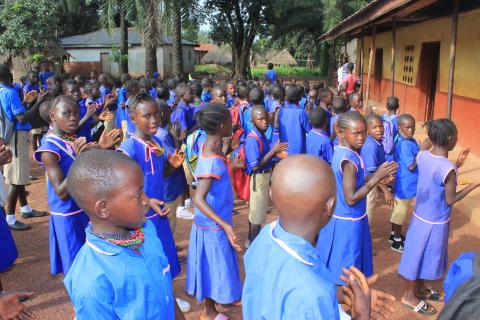
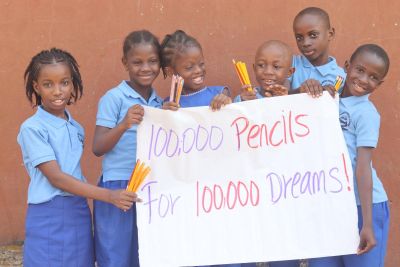
On November 20th, this movement placed over 100,000 pencils into the hands 

of children across Sierra Leone in 20 schools.

Each pencil tells a story — of hope, opportunity, and possibility. 

Education is more than lessons — it’s liberation.

Every $25 helps children write their dreams. 

👉 Help provide pencils by donating today!