

INTRODUCTION
Malaria kills more than 400,000 individuals each year in tropical regions of the globe. (Vandana & David, 2021). It is a life-threatening disease that affects millions of people worldwide, particularly in tropical and subtropical areas. It is caused by several species of the Plasmodium parasite, with Plasmodium falciparum being the most virulent and responsible for the most severe cases (World Health Organization, 2021).
Despite significant advancements in preventive tools and treatments, malaria remains a leading cause of illness and death in many parts of Africa. As the fight against malaria continues, understanding community experiences with existing preventive measures is crucial. In light of this, Develop Africa, a non-governmental organization committed to sustainable development, conducted a comprehensive survey to examine the use and effectiveness of mosquito nets and other malaria prevention strategies.
This article explains the survey’s findings, offering valuable insights into current practices, challenges, and further steps needed to reduce malaria's burden across affected communities. By examining mosquito net usage, treatment approaches, and preventive attitudes, we explore how to improve ongoing efforts in the battle against malaria.
SURVEY DEMOGRAPHICS
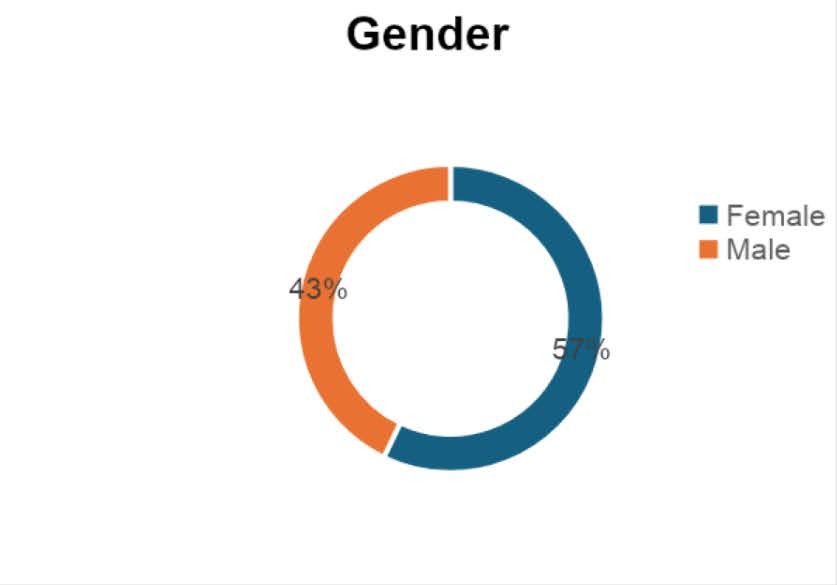
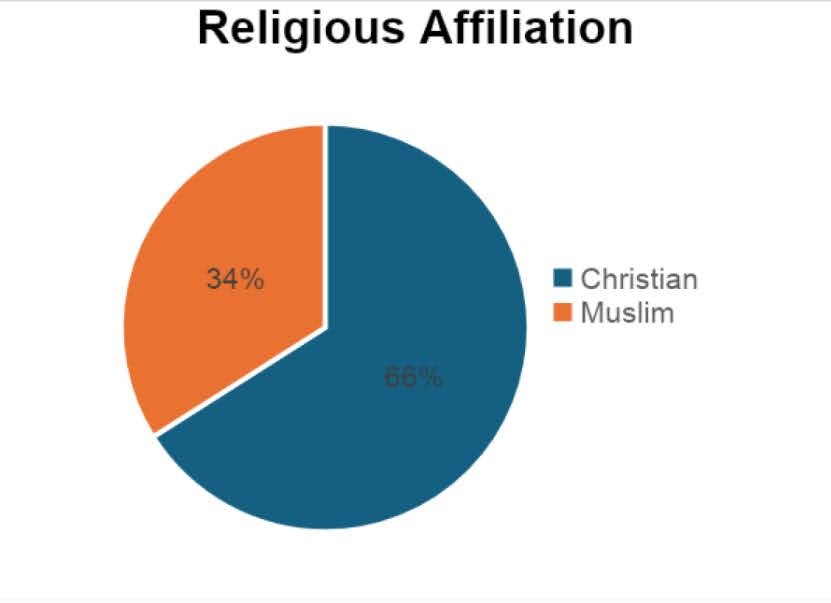
The survey gathered data from 51 participants, offering a diverse look at malaria prevention behaviors. Of the respondents, 57% were female, while 43% were male (see Fig. 1). Most participants were younger, 88% under 30, while 12% were above 30. Regarding religion, 66% of participants identified as Christians and 34% as Muslims (Fig. 3).
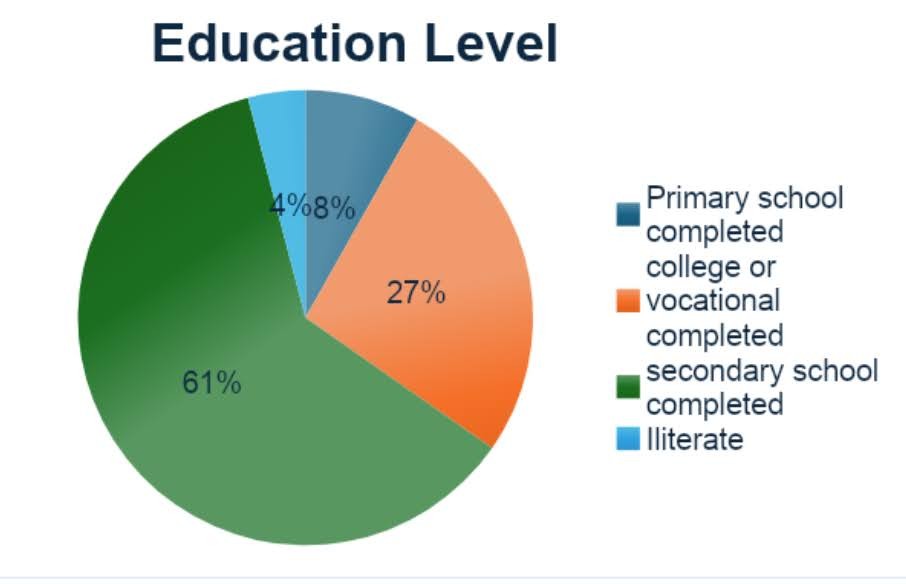
The education level of respondents was also noteworthy—61% (Fig. 2) had completed secondary school, and 27% had some college or vocational training. Only 4% were illiterate but could complete the survey with assistance.
MOSQUITO NET DISTRIBUTION USAGE
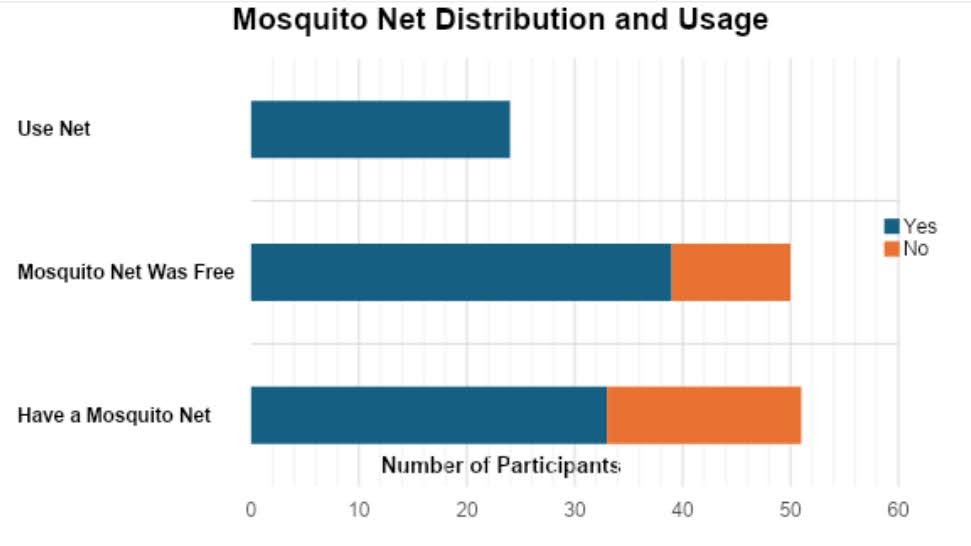
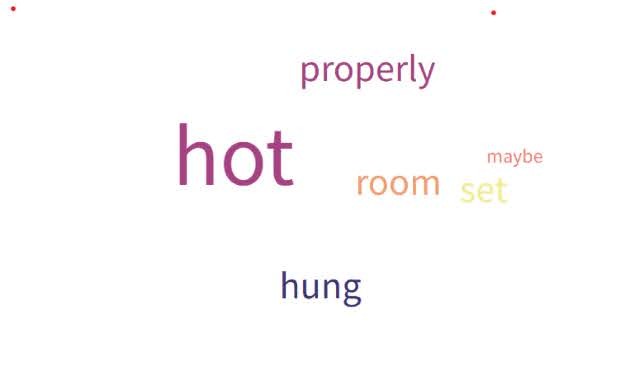
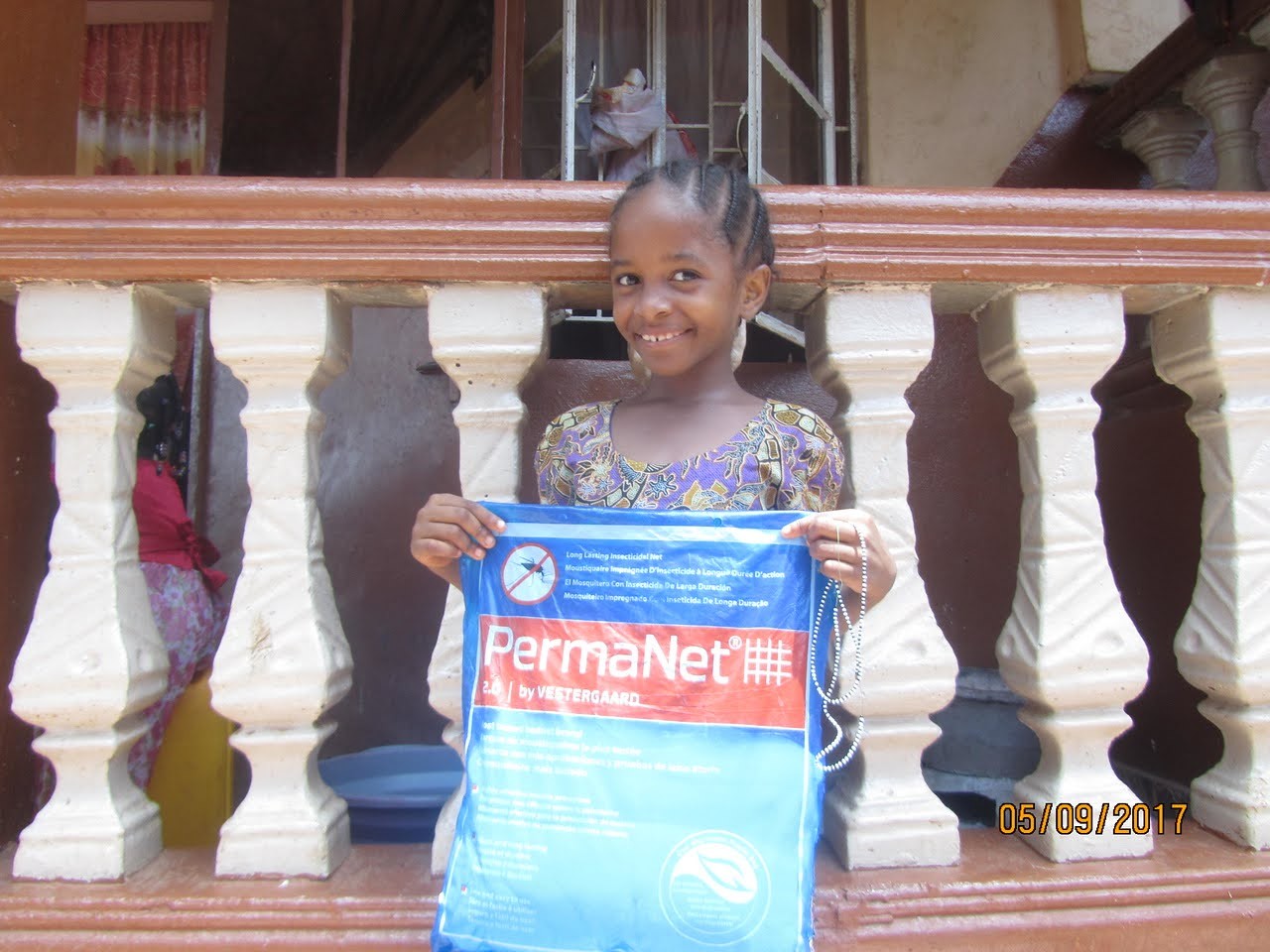
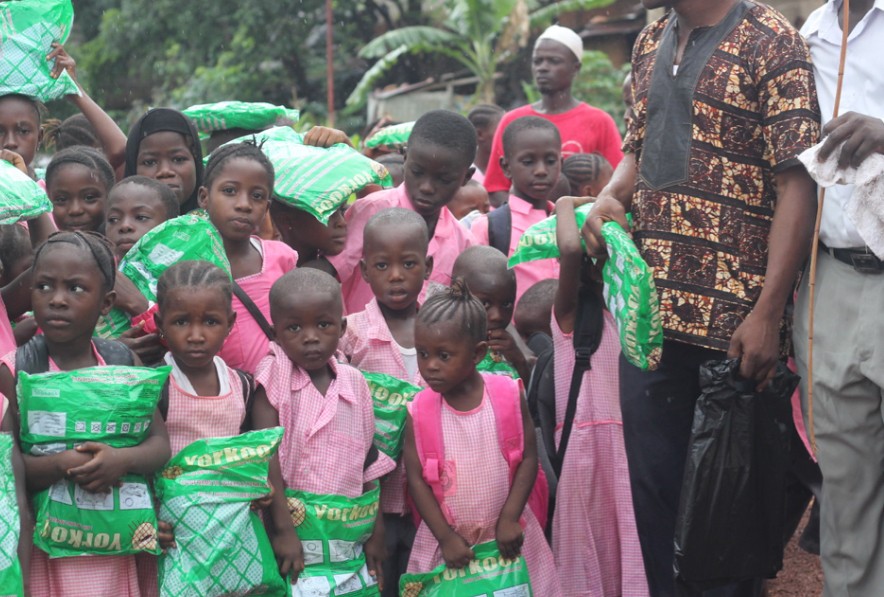
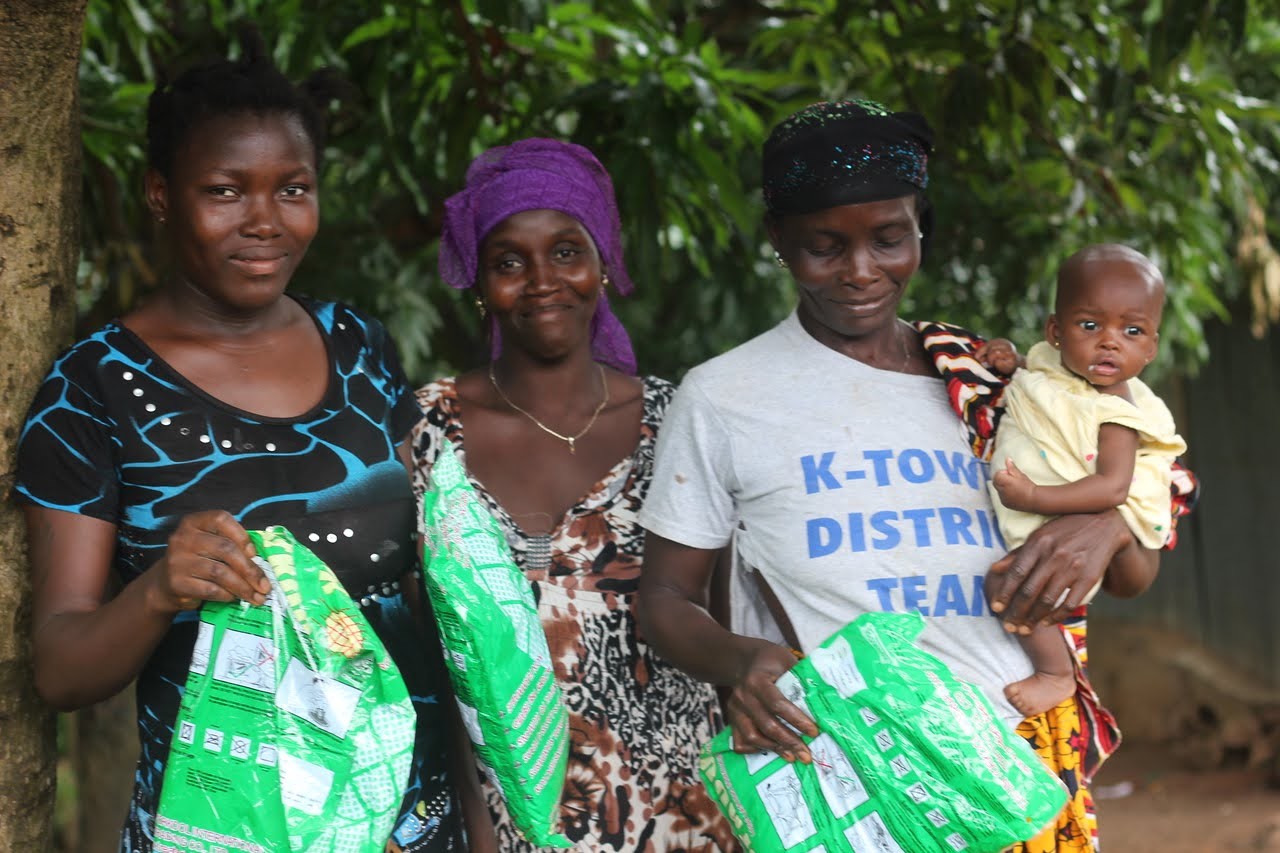
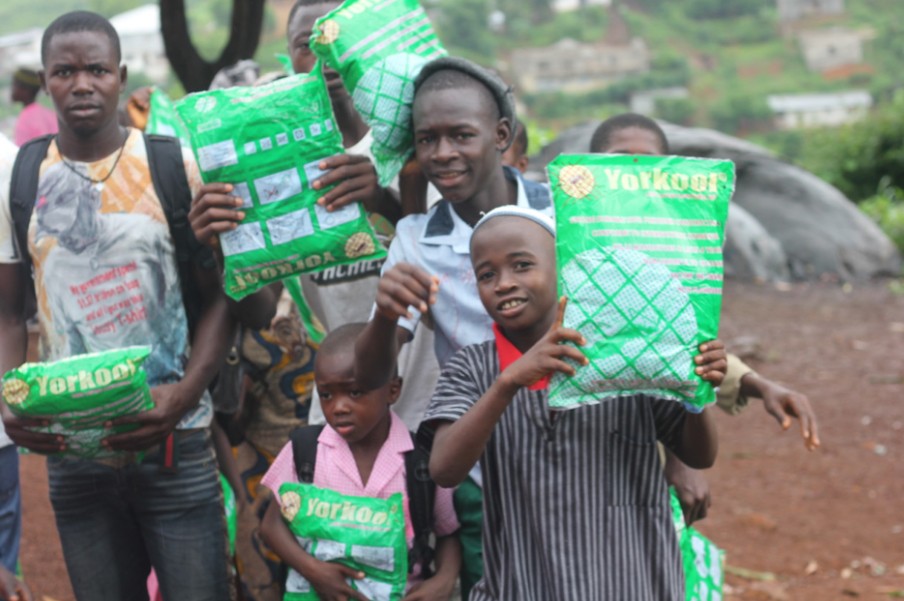
One of the survey's core focuses was on mosquito net ownership and usage. The survey revealed that 65% of respondents owned mosquito nets. However, of those who owned nets, only 73% consistently used them, while the remaining 27% did not (Fig. 4). This highlights a significant gap between ownership and usage, with several individuals citing heat as the main reason they avoided using the nets.
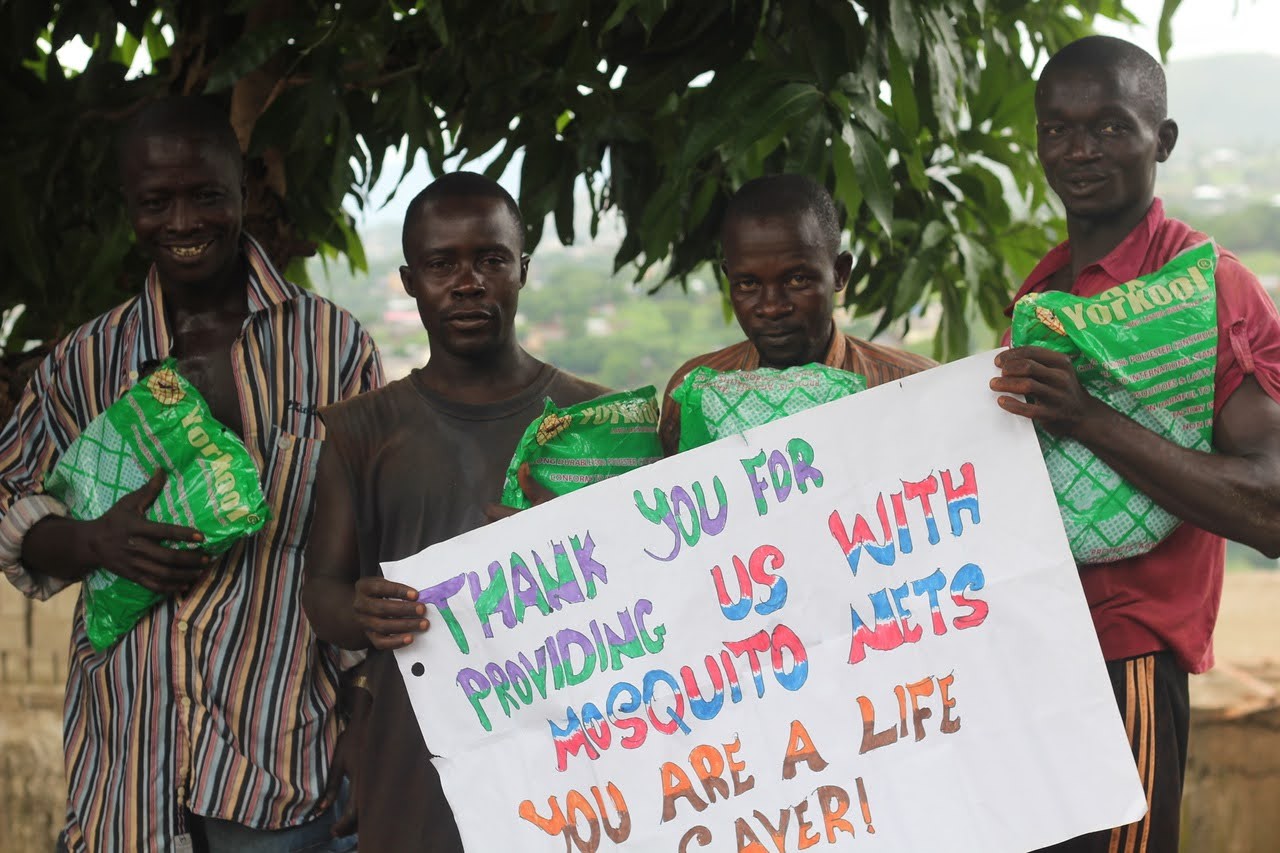
Furthermore, 78% of participants who owned mosquito nets received them for free, while 22% purchased theirs, showing that free distribution programs are essential for ensuring access to this critical tool.
MALARIA TREATMENT AND PREVENTIVE MEASURES
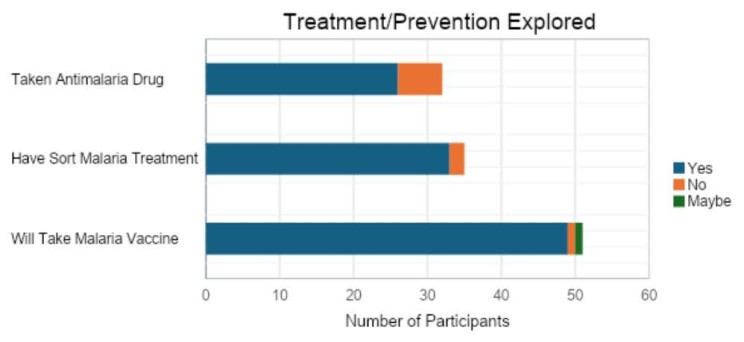
Beyond mosquito nets, participants were asked about using other malaria prevention and treatment methods besides mosquito nets. A promising 96% of respondents expressed willingness to receive a malaria vaccine, demonstrating widespread support for new preventive innovations. Additionally, 94% reported seeking treatment when they had contracted malaria (Fig. 6).
In terms of preventive medication, over 80% of respondents had taken antimalarial drugs to avoid falling ill. This indicates that the community is committed to protecting itself from malaria, but may face challenges with consistently using existing prevention tools.
MALARIA PREVALENCE: FREQUENCY OF ILLNESS
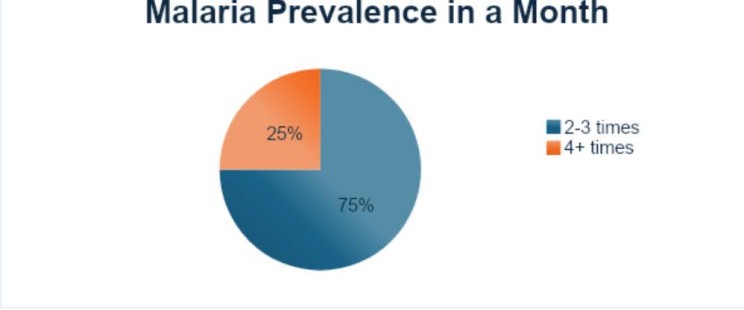
Despite efforts to prevent malaria, the survey revealed that the disease remains highly prevalent. Fig. 7 shows that 75% of respondents reported falling ill with malaria 2-3 times per month, while 25% reported being affected by the disease more than four times a month.
This high frequency suggests that while preventive measures are available, they may not be fully effective, or there may be issues with consistent use or access to the necessary tools.
EFFECTIVENESS OF CURRENT PREVENTIVE MEASURES
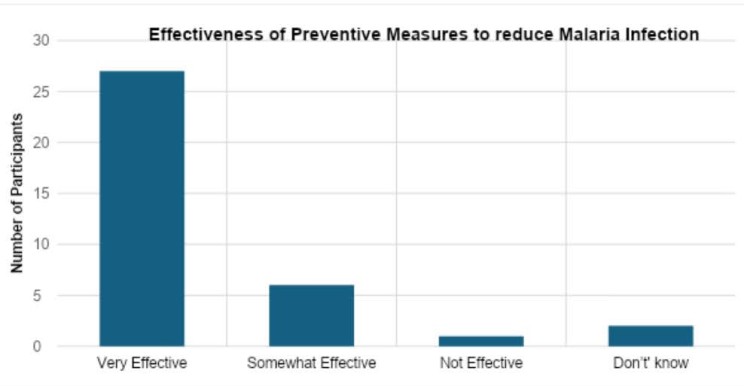
When asked about the effectiveness of existing preventive tools, 75% of respondents agreed that the current methods, such as mosquito nets and antimalarial drugs, are effective. However, the remaining 25% felt these methods were either somewhat effective or ineffective (Fig. 8).
The continued high prevalence of malaria, despite the use of preventive measures, suggests that there may be deeper issues, such as improper use of mosquito nets or inconsistent access to treatment.
ADDRESSING BARRIERS TO CONSISTENT USE OF MOSQUITO NETS
A key survey finding was the discomfort caused by mosquito nets in hot conditions, which was why many respondents did not use their nets. To address this issue, future interventions could focus on developing more breathable nets or improving household ventilation, making it easier for individuals to use them without discomfort.
Education and awareness campaigns are also essential to ensure community members understand the importance of consistently using mosquito nets despite the challenges.
GALLERY OF PICTURES

STRENGTHENING MALARIA PREVENTIVE MEASURES
Develop Africa’s survey offers critical insights into the successes and ongoing challenges of malaria prevention in affected communities in parts of Africa. While there is clear enthusiasm for preventive tools, such as mosquito nets and vaccines, consistent usage and effectiveness remain barriers that must be addressed.
Moving forward, continued efforts are needed to ensure the free distribution of mosquito nets, address comfort concerns, and provide access to new preventive technologies like vaccines. Through sustained collaboration between governments, NGOs, and local communities, significant progress can be made in the fight against malaria.
REFERENCE
- Thathy, V., & Fidock, D. A. (2021). Malaria parasite beats the heat. Nature Microbiology, 6(9), 1105–1107. Retrieved from https://www.researchgate.net/publication/353937330
- World Health Organization. (2021). World Malaria Report 2021. Retrieved from https://www.who.int/publications/i/item/9789240020497