Health education is not a new issue in Africa. Most curricula cover the essential everyday health, tantamount to common problems. But the biggest lesson over the past few years is how public awareness of illnesses and diseases crosses over to real life. The simple lessons of hand washing and covering of the mouth when coughing or sneezing are probably rudimentary, but in 2020, they became life-saving.
The pandemic interrupted primary and tertiary learning in all countries. It was simply unavoidable. The safety of learners was a priority in most countries, and this ensured fewer transmission points for the coronavirus.
However, in Africa, there are many points to consider going forward as the pandemic brings out immaculate, invaluable lessons that would be lost as the world tries to restructure itself back to the "norm."

Of importance is the excellent relationship between public health and education. Government and private agencies hurried to teach students about COVID-19 health issues and to ensure they sanitize properly. In the middle of this, parents were educating their children about what the pandemic means to their lives and the world around them.
Most parents and caregivers found it hard to communicate how the coronavirus spreads and how to prevent it. And to some children, this is a challenging feat.
Out of this, there is a need to tightly integrate public health topics and practices in learning institutions in the future. COVID-19 might have received the most extensive media coverage yet, but it is not the only health issue disrupting education.
Health Education going forward
According to Jean-Marc et al. (2020), in a report published on Brookings Institute report, education in Africa serves more than just a place to disperse knowledge. At lower educational levels, such as primary schools, children receive food rations and societal support that, in the end, benefit the community at large.
"For example, school programs that provide take-home food rations and cash transfer support incentivize families with minimal resources to send their children to school while providing them with much-needed nutritional and economic support," the report denoted.
Concerning the COVID-19 pandemic, the Brookings Institute report backed that education centers were a good force against the spread of the pandemic.
"Similarly, the education sector plays an important role in supporting the health sector's pandemic response. For example, life-saving COVID-19 health messages—from proper handwashing techniques to wearing face masks—can form part of national distance-learning programs," it added.
"This strategy of empowering children with the knowledge to change their families' behavior has proven effective in past public-health campaigns, and countries such as Tanzania, Ghana, and Uganda have already adopted it for COVID-19. Besides, schools have also regularly served as important front-line sites for public health interventions such as vaccination campaigns," the report continued.
Beyond the pandemic, education stakeholders should not only strengthen such initiatives but also support them. Educating learners could help prevent common ailments such as colds, coughs, diarrhea, and infectious diseases.
This would eventually cut down on a learner's downtime and enable them to make the most of their school day. In addition, low-income households would have to spend less on treating unforeseen ailments.
The handwashing centers should not be done away with even after the pandemic has been neutralized. It should continue with a much bigger emphasis.
The first step is to equip teachers to disseminate health information to students. It would not necessarily be a convoluted process, but it would be enough to enable students to fend off these infectious diseases. Parents should also be roped in by availing relevant reading materials on conducting cleanliness in and around the house.
The government's role
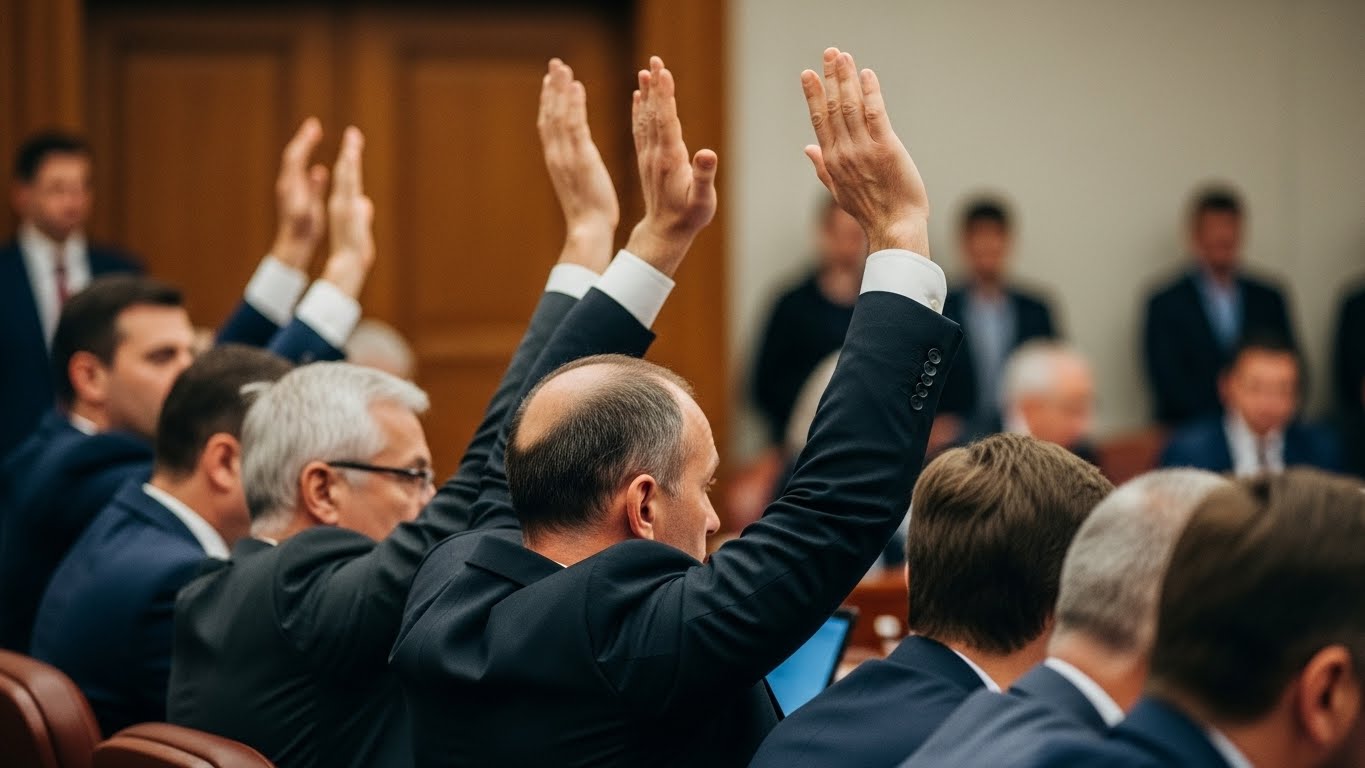
The government supports most of the public schools, from their establishment to the payment of teachers' salaries. This puts the government on the spot to offer these health measures to students and, in the end, improve the community's health status.
Even after the pandemic, governments will find funding for some of these initiatives. However, some of these initiatives are less expensive than the damage these infectious diseases can cause to society.
Introducing mandatory health curricula is one way to launch a preventive campaign ahead of the next global or local virus outbreak. There are already various home science curricula in basic education that tackle matters of cleanliness and health. It is time that they take the forefront and all students be armed with more knowledge.
Even mental health issues should be integral to the health curriculum. Many students are struggling with this unseen issue, with most teachers lacking the capabilities to detect and address mental issues within the student community.
A post by Kevin Frey, the CEO of Right to Play International, underlined that the pandemic had brought mental issues to children that might be easily overlooked.
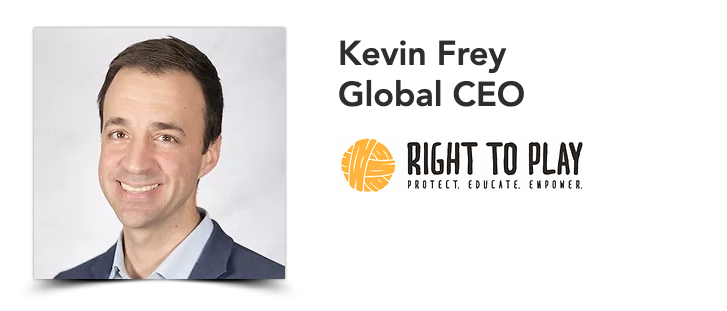
"The change in children's lives as a result of this crisis has been sudden and seismic. Schools are closed, and their physical interactions with friends, peers, and extended family members have ended abruptly. The stress of these changes is enormous. And while so many children are challenged physically by this pandemic, we must not overlook the mental and psychological effects this will have on them," Frey explained.
All of these are considerations for a post-pandemic education system that African governments need to pencil in on their budgets and policies. The pandemic has ensured that we are cognizant of our healthy environment and that everyone, including students, should be in a position to lend a concerted hand in fighting illnesses that could bring our societies to their knees.
For now, thorough handwashing and maintaining cleanliness should not stop, especially since the masses have been inoculated. The fight should be preventative.
🔗 Want to learn more or get involved? Here are a few ways you can take action today:
- 🌍 Visit our website: www.developafrica.org
- 📬 Get updates: Join our newsletter
- 💬 Reach out to collaborate: Contact us
References
- Jean-Marc Bernard, Brahima Sangafowa Coulibaly, & Rebecca Winthrop. (2020). Education is crucial to Africa’s COVID-19 response. Brookings. https://www.brookings.edu/articles/education-is-crucial-to-africas-covid-19-response/
- Kevin Frey. (n.d.). Children’s Mental Health Must Be a Priority As We Fight This Pandemic. Right to Play. https://righttoplay.ca/en-ca/news/childrens-mental-health-must-be-a-priority/