
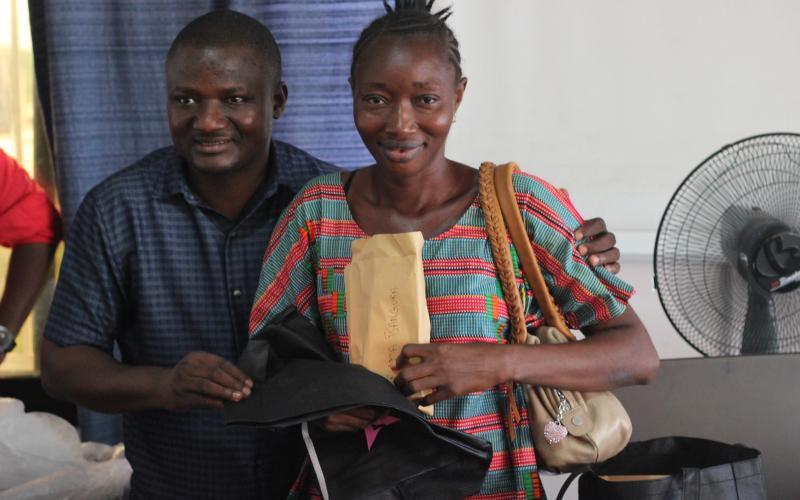
Advocates of liberal trade policies, and there are many, consistently argue that free trade is beneficial for everyone and is indeed the most effective way to improve economies. While these arguments in their many forms and pluralities have much merit, they should not be without scrutiny. While it is a truthful claim that free trade does not discriminate, it cannot itself solve all the delicate problems linked so closely trade and the economy. For example, while free trade may benefit women as well as men, we should not expect it to pave the way for gender equality.
Recent studies examine this development, or lack of development in certain respects if we want to be specific. The studies found that just as in daily life, similar experiences or circumstances could affect men and women differently. Mandipa Machacha points out that development attributable to trade is often measured in GDP but such a measure does not explain who specifically earned more or how the earnings were used i.e. if women were equally benefited by GDP increases due to trade.
Women have seen opportunities for work and new jobs with trade growth but still may be limited to certain categories of jobs that tend to pay less such as domestic positions. They are, for example, often unable to take advantage of labor-intensive positions that go to men. Of course, an increase in jobs for men is positive for development as well, but gender equality entails equal opportunities to fulfill one’s goals.
How does one find strategies for this issue without negating the positive benefits of free trade? For one, more study is needed on the relationship between trade and gender equality as well as what can be done about it. Ideal strategies would include local and international approaches to improve trade relations and gender equality. Labor laws that ensure equal opportunity are also helpful given there is proper infrastructure to support them.
There is also the option of creative innovation, seen in many approaches to development in Africa. For example, technological developments could assist women seeking to work in agriculture but are currently limited to jobs that require less strength. What remains important is that certain development goals (gender equality) are not sacrificed for others (increased GDP).
Photo credit: https://www.flickr.com/photos/worldbank/2710623158